
Recovery Education
Why Trauma Triggers Lead to Substance Use
Trauma does not remain in the past. Even when an event is over, reminders of that experience—known as triggers—can reactivate intense emotional and physiological responses. For individuals with unresolved trauma, these triggers can feel overwhelming and immediate, increasing the risk of substance use as a coping mechanism. Understanding why trauma triggers lead to substance use…
Read MoreHow Trauma Changes Judgment and Impulse Control
Trauma does not only affect emotions. It alters how the brain processes risk, reward, and decision-making. When individuals experience significant trauma—especially during childhood—their nervous system adapts for survival. These adaptations can later affect judgment, impulse control, and vulnerability to substance use. Understanding how trauma changes judgment and impulse control helps explain why addiction often develops…
Read MoreHow Emotional Neglect Affects Adult Addiction

Emotional neglect is often invisible. Unlike overt abuse, it does not always leave clear external markers. It is defined not by what happened, but by what was missing—consistent validation, emotional safety, responsiveness, and support. Over time, this absence can shape how individuals regulate feelings, form relationships, and cope with stress. Emotional neglect in childhood is…
Read MoreWhy Toxic Stress Increases Addiction Risk

Toxic stress is not ordinary stress. It is prolonged, intense, and experienced without adequate support. When stress becomes chronic and overwhelming—especially during childhood—it alters how the brain and body regulate emotion, impulse control, and reward. Over time, these changes significantly increase addiction risk. Understanding why toxic stress increases addiction risk requires looking beyond behavior and…
Read MoreHow Childhood Adversity Shapes Adult Coping

Childhood adversity has long-term effects that extend far beyond early life experiences. Exposure to trauma, instability, neglect, or chronic stress during childhood can influence how individuals regulate emotions, manage stress, and form relationships in adulthood. These coping patterns often develop as survival strategies but may later increase vulnerability to substance use and other harmful behaviors.…
Read MoreWhat Families Can Learn From Shared Family Recovery Lessons and Stories

Shared Family Recovery lessons and stories hold powerful lessons for families affected by addiction. While each experience is unique, patterns often emerge across recovery journeys that help families understand what supports healing and what unintentionally creates setbacks. Listening to and learning from shared recovery stories allows families to move from confusion and fear toward informed,…
Read MoreAccountability and Honesty in Addiction Recovery
Accountability and honesty are central to long-term addiction recovery. While treatment may interrupt substance use, sustained recovery depends on behavioral change, emotional regulation, and consistent self-awareness. Without accountability, denial can quietly return. Without honesty, recovery becomes fragile and reactive instead of stable and intentional. Understanding how accountability and honesty function in addiction recovery helps explain…
Read MoreWhat Public Relapse Stories Reveal About Recovery
Public relapse stories often draw attention, especially when shared by celebrities, community leaders, or public figures. While these stories can be uncomfortable or discouraging, they also reveal important truths about how recovery actually works. Relapse does not invalidate recovery. Instead, public relapse stories highlight the complexity, vulnerability, and long-term nature of addiction recovery. Public relapse…
Read MoreHow Addiction Stigma Keeps People From Getting Help
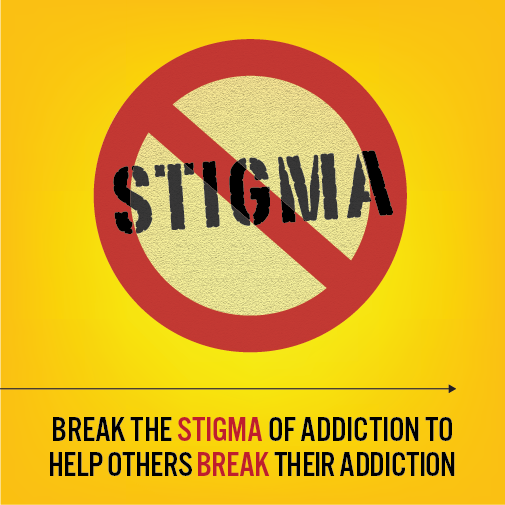
Addiction stigma remains one of the most powerful barriers preventing people from seeking help. While public awareness around substance use has improved, stigma still influences how addiction is viewed in families, workplaces, healthcare systems, and communities. When addiction is framed as a moral failure rather than a health condition, people delay treatment, hide their struggles,…
Read More9 Addiction Recovery Myths That Do More Harm Than Good

Addiction recovery is surrounded by myths that shape how people view substance use, treatment, and long-term healing. These myths often come from outdated beliefs, stigma, or oversimplified narratives. While they may sound convincing, they can discourage people from seeking help, delay intervention, and create unrealistic expectations about recovery. Understanding and correcting addiction recovery myths is…
Read More