
The Recovery Blog
Your resource for real recovery & support.










Residential Rehab Orange County Safe Healing Options
For many people struggling with addiction, home is full of triggers, reminders, and stress that make recovery feel impossible. Residential…

Outpatient Rehab Orange County With Flexible Care
Not everyone who needs treatment can step away from work or family for weeks at a time. Outpatient rehab gives…
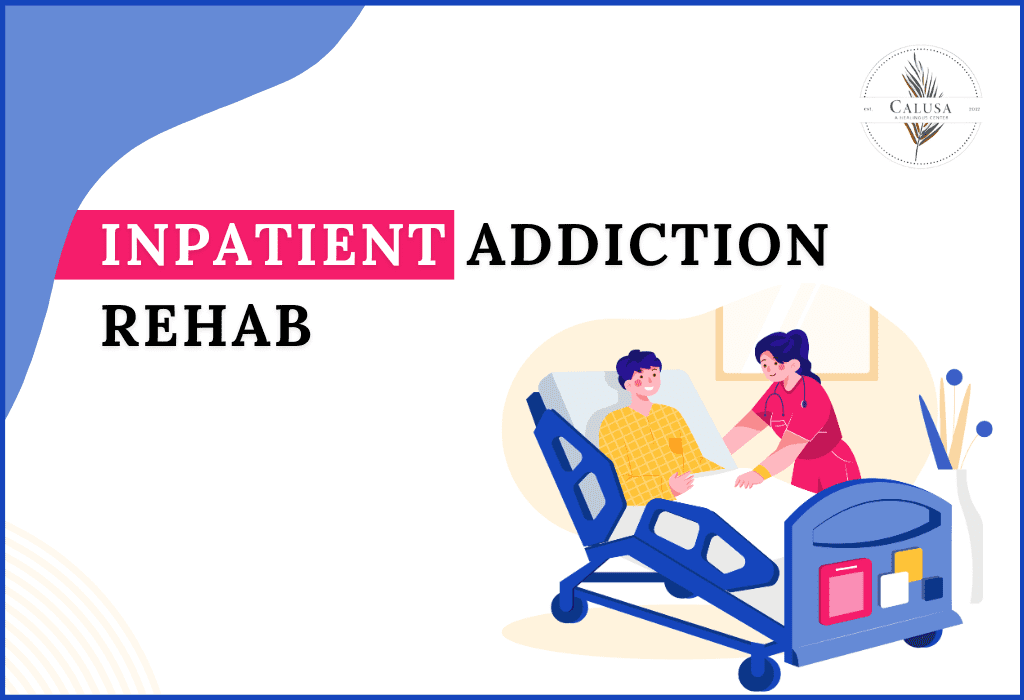
Inpatient Rehab Orange County for Real Recovery
When someone is ready to get help for addiction, the structure and safety of inpatient care can make all the…
Addiction Treatment Orange County Programs That Work
Starting addiction treatment takes courage. For many people, reaching that point means facing painful truths about substance use, mental health,…

Detox in Aliso Viejo: Safe, Private Help Close to Home
Living in Aliso Viejo comes with its own version of Orange County life — safe neighborhoods, good schools, and families…
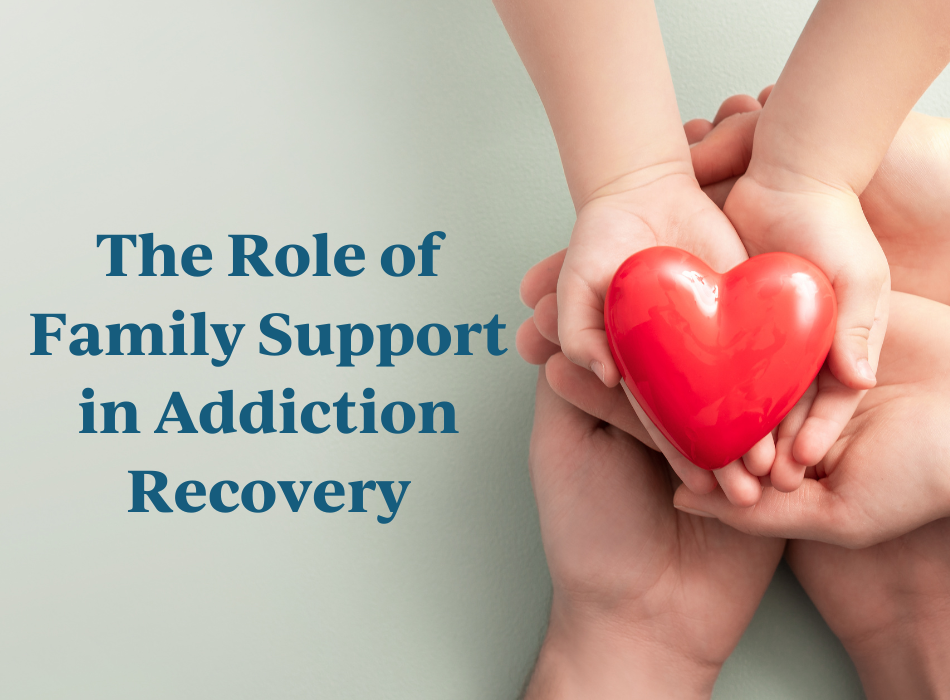
Family Support During Detox: How Loved Ones Make or Break Recovery in Orange County
Getting clean isn’t something you do alone — not really. In Orange County, one of the biggest predictors of a…

When people finally reach the point where they are ready to detox, the first question almost everyone asks is the same: how long is this going to take? It’s a natural question, but the answer is more complex than a single number of days. Detox is a physical and mental process, and the time it…
When you’re ready to quit drugs or alcohol, the first decision hits fast:Can I do this on my own, or do I need professional help? At first glance, detoxing at home might seem easier. You’re in your own bed, you don’t have to tell anyone, and it feels like a private way to take back…

The Hidden Risks LGBTQ+ Clients Face in Detox For LGBTQ+ individuals in Orange County, the decision to seek detox often comes with a level of fear most programs don’t talk about. It’s not just about the physical difficulty of withdrawal — it’s about the emotional risk of walking into a system that may not accept…

Addiction doesn’t look the same for everyone — and for many women in Orange County, the road to recovery comes with extra barriers that men often don’t face. From balancing work and childcare to surviving trauma that never got treated, women often stay silent about their drinking or pill use because they fear judgment or…
In Orange County, a lot of people who need detox aren’t just fighting addiction — they’re fighting anxiety, depression, PTSD, or bipolar disorder at the same time. This is what treatment professionals call dual diagnosis: when a substance use disorder and a mental health condition feed into each other in a cycle that feels impossible…

Benzodiazepines — better known as “benzos” — are some of the most commonly prescribed drugs in Orange County. From Valium and Xanax to Ativan and Klonopin, these medications are meant to help with anxiety, panic attacks, or insomnia. But what starts as short-term relief can quietly become a dependency that’s almost impossible to break without…

In Orange County, drinking can feel like a normal part of life. Backyard parties, business networking events, sports games — it’s everywhere. For many people, casual drinking slowly shifts into a daily habit that’s harder and harder to quit. But when it comes time to stop, most people have no idea how dangerous alcohol withdrawal…

For a lot of people in Orange County, addiction doesn’t start in a back alley or with a street drug. It starts with a prescription — a bottle of painkillers for an injury, anxiety medication to calm racing thoughts, or ADHD pills to get through a demanding workload. But over time, what once felt safe…

In Orange County, methamphetamine remains one of the most commonly used illicit drugs, but it rarely gets the same headlines as opioids or fentanyl. For many people, meth addiction hides behind a “functional” lifestyle — long work hours, party scenes, or even keeping up with family life while using meth to stay awake, focused, or…

If this is your first time going through detox, chances are you’re scared, overwhelmed, or unsure what to expect. That’s normal. Withdrawal hits your body and mind hard — and if you’ve never done this before, it’s easy to feel like you’re not ready or like you’re doing it wrong. But Orange County detox programs…