
The Recovery Blog
Your resource for real recovery & support.










Residential Rehab Orange County Safe Healing Options
For many people struggling with addiction, home is full of triggers, reminders, and stress that make recovery feel impossible. Residential…

Outpatient Rehab Orange County With Flexible Care
Not everyone who needs treatment can step away from work or family for weeks at a time. Outpatient rehab gives…
Inpatient Rehab Orange County for Real Recovery
When someone is ready to get help for addiction, the structure and safety of inpatient care can make all the…
Addiction Treatment Orange County Programs That Work
Starting addiction treatment takes courage. For many people, reaching that point means facing painful truths about substance use, mental health,…

Detox in Aliso Viejo: Safe, Private Help Close to Home
Living in Aliso Viejo comes with its own version of Orange County life — safe neighborhoods, good schools, and families…
Family Support During Detox: How Loved Ones Make or Break Recovery in Orange County
Getting clean isn’t something you do alone — not really. In Orange County, one of the biggest predictors of a…

For many people struggling with addiction, home is full of triggers, reminders, and stress that make recovery feel impossible. Residential rehab gives clients a safe place to pause, reset, and rebuild. In Orange County, Fresh Start of California provides residential programs that combine medical support, therapy, and daily structure so clients can focus entirely on…

Not everyone who needs treatment can step away from work or family for weeks at a time. Outpatient rehab gives people in Orange County a way to recover while maintaining daily life. At Fresh Start of California, clients receive structured therapy, medical oversight, and ongoing accountability that fit into real schedules without sacrificing results. Outpatient…
When someone is ready to get help for addiction, the structure and safety of inpatient care can make all the difference. In Orange County, inpatient rehab gives clients the stability to focus fully on recovery without outside pressures. At Fresh Start of California, clients receive 24-hour support, therapy, and medical care designed to guide them…
Starting addiction treatment takes courage. For many people, reaching that point means facing painful truths about substance use, mental health, and how life has changed over time. In Orange County, treatment options have grown to meet people where they are – offering medical safety, structured therapy, and genuine support for long-term recovery. Fresh Start of…

Living in Aliso Viejo comes with its own version of Orange County life — safe neighborhoods, good schools, and families trying to keep it together. But addiction doesn’t care where you live. For many people here, asking for help is the hardest part, especially when everything on the surface looks fine. Detox in Aliso Viejo…
Getting clean isn’t something you do alone — not really. In Orange County, one of the biggest predictors of a successful detox and long-term recovery is simple: family support. But that support can either lift you up or tear you down, depending on how prepared everyone is. Family support during detox in Orange County helps…

For anyone battling addiction, the idea of starting over is tough enough. But where you start matters — and for many people in Orange County, Santa Ana detox and rehab is quietly becoming one of the best places to begin the recovery journey. Santa Ana is a smart place for detox and rehab because of…

Detox Orange County California — it’s not just a search term. It’s a life-changing decision. For individuals struggling with addiction, detox is the first and most important step toward reclaiming health, clarity, and hope. In a region as large and diverse as Orange County, finding the right detox center can feel overwhelming — especially when…

Balancing work and recovery in Orange County can feel overwhelming at first. Getting sober is a huge step — but returning to your job, managing stress, and protecting your sobriety at the same time takes real planning. At Fresh Start of California, we see it every day: people who want to rebuild their careers while…
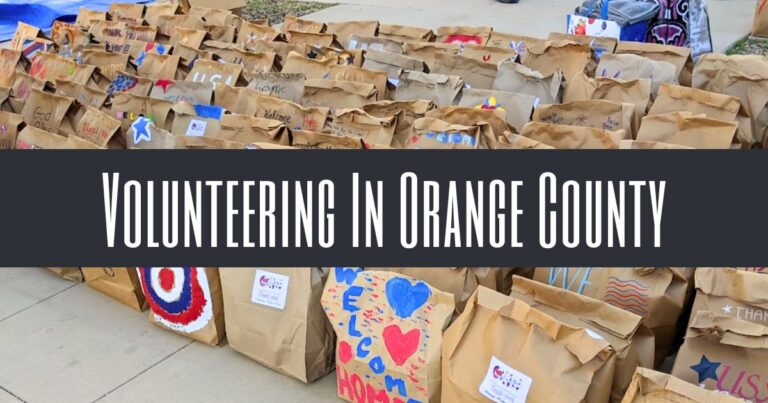
Finding sober activities in Orange County can feel tough at first — especially if you’re used to socializing around alcohol or other substances. The good news? OC has no shortage of fun, sober-friendly things to do. The key is learning to fill your free time with experiences that make you feel good, not just busy.…