The Recovery Blog

Your resource for real recovery & support. 

What Happens During Withdrawal Symptoms

By Meghan M., CBHT | April 10, 2026 |

Withdrawal is one of the most misunderstood parts of addiction. Most people think of it as a short period of discomfort after stopping substance use. In reality, withdrawal is the brain and body reacting to the sudden absence of something they have adapted to over time. Understanding what happens during withdrawal symptoms requires looking at…

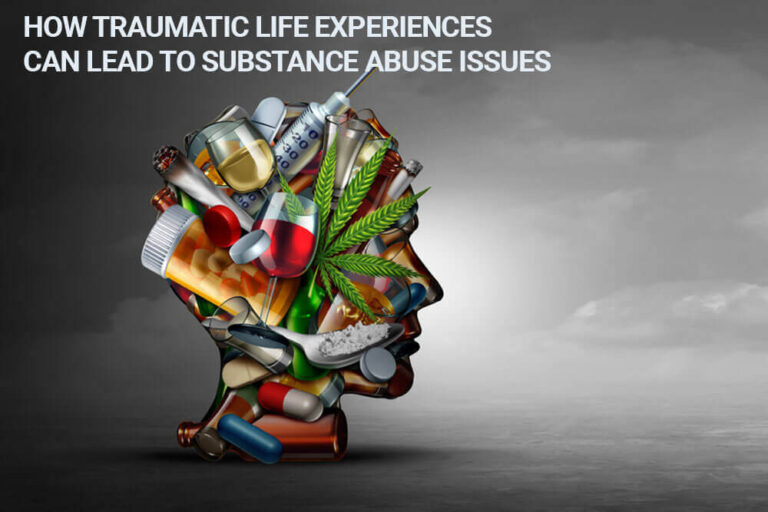
How Trauma Leads to Substance Abuse

By Meghan M., CBHT | April 9, 2026 |

Trauma does not always look the way people expect it to. It is not limited to extreme events or single moments. Trauma can build slowly over time, shaped by repeated experiences, unresolved stress, or environments that never felt safe. When trauma is not processed, it does not disappear. It stays active in the body and…

Mental Health and Addiction Connection Explained

By Meghan M., CBHT | April 8, 2026 |

The connection between mental health and addiction is not surface level. It is direct, layered, and often misunderstood. Many people look at substance use as the primary problem, but in a lot of cases, it is only part of what is happening. Understanding the mental health and addiction connection means recognizing that both conditions often…

How Stress Contributes to Substance Abuse

By Meghan M., CBHT | April 7, 2026 |

Addiction does not stay the same. It progresses. What starts as occasional use can turn into something that feels constant, necessary, and difficult to control. People often recognize that things are getting worse, but they do not always understand why. The answer is not just habit. It is how the brain and behavior adapt over…

Early Signs of Relapse to Watch For

By Meghan M., CBHT | April 6, 2026 |

Relapse rarely starts with the first drink or the first use. It starts earlier, in ways that are easy to miss if you are not paying attention. By the time substance use happens again, the process has usually been building for days or weeks. Understanding the early signs of relapse to watch for gives people…

What Causes Addiction in the First Place

By Meghan M., CBHT | April 5, 2026 |

Addiction does not start the same way for everyone, but it also does not come out of nowhere. It develops through a combination of factors that build over time. When people ask what causes addiction in the first place, they are usually looking for a single answer. There is not one. Addiction forms where vulnerability…

How Denial Works in Addiction and Recovery

By Meghan M., CBHT | April 4, 2026 |

Denial is one of the most powerful forces in addiction. It does not just hide the problem from others. It distorts reality for the person experiencing it. Understanding how denial works in addiction explains why people continue using even when the consequences are clear. It is not always about refusing to see the truth. It…

Signs Someone Is Struggling With Substance Abuse

By Meghan M., CBHT | April 3, 2026 |

Substance abuse rarely starts in a way that is obvious. It builds gradually, often hidden behind normal routines, excuses, or temporary stress. By the time it becomes clear, the patterns are already established. Recognizing signs someone is struggling with substance abuse early can make the difference between intervention and escalation. The problem is that most…

Stages of Addiction Recovery Explained Clearly

By Meghan M., CBHT | April 2, 2026 |

Recovery is not a single decision. It is a process that unfolds over time, and each phase brings a different set of challenges. When people do not understand the stages of addiction recovery explained, they start to think something is wrong with them when things feel difficult. Nothing is wrong. They are just in a…

How Addiction Affects the Brain Long Term

By Meghan M., CBHT | April 1, 2026 |

Addiction is not just a series of bad choices. It is a condition that changes how the brain works over time. When someone is repeatedly exposed to drugs or alcohol, the brain begins to adapt in ways that make stopping extremely difficult. Understanding how addiction affects the brain long term helps explain why people struggle…

Things to Do in Santa Ana When Visiting Someone in Treatment

By Meghan M., CBHT | Mar 21, 2026

Visiting a loved one who is receiving treatment for addiction can bring a mix of emotions. Families often want to…

Healthy Habits That Support Long Term Sobriety

By Meghan M., CBHT | Mar 20, 2026

Maintaining sobriety requires more than simply avoiding substances. Long-term recovery often depends on building a lifestyle that supports physical health,…

Why Daily Routines Matter During Addiction Recovery

By Meghan M., CBHT | Mar 19, 2026

Recovery from addiction often requires rebuilding many aspects of daily life. One of the most important changes involves creating structure…

How Lifestyle Changes Support Long Term Recovery

By Meghan M., CBHT | Mar 18, 2026

Recovery from addiction involves more than simply stopping substance use. Long-term sobriety often requires meaningful changes in daily habits, routines,…

What Life Is Like After Leaving Rehab

By Meghan M., CBHT | Mar 17, 2026

Completing addiction treatment is a major accomplishment. For many people, leaving rehab represents the beginning of a new chapter in…

What Life After Addiction Can Really Look Like

By Meghan M., CBHT | Mar 16, 2026

Many people struggling with addiction wonder what life might look like after recovery. For some, the idea of living without…

Why People With Addiction Often Lie to Those Around Them

By Meghan M., CBHT | March 1, 2026 |

Addiction doesn’t just affect the person using substances. It also changes how they communicate with the people around them. One of the most painful behaviors loved ones experience is dishonesty. Many families eventually ask the same question: why addicts lie even when the truth seems easier. Understanding the reasons behind this behavior can help families…

How to Maintain Recovery for the Long Haul

By Meghan M., CBHT | February 28, 2026 |

Maintaining recovery for the long haul requires more than initial motivation. Early recovery focuses on stabilization and avoiding relapse. Long-term recovery focuses on sustainability, resilience, and growth through life’s inevitable stressors. Recovery is not something you complete. It is something you maintain. Understanding how to maintain long term recovery helps individuals move from fragile stability…

Creating Healthy Routines in Early Recovery

By Meghan M., CBHT | February 27, 2026 |

Early recovery is often unstable—not because motivation is lacking, but because structure is missing. During active addiction, routines frequently revolve around substance access, emotional avoidance, or survival patterns. When substance use stops, a gap appears. Without intentional structure, that gap can quickly fill with boredom, stress, or impulsivity. Creating healthy routines in early recovery builds…

How Families Can Support Recovery Without Enabling

By Meghan M., CBHT | February 26, 2026 |

Family involvement can strengthen recovery—or quietly undermine it. The difference often lies in understanding the line between support and enabling. While both are usually motivated by care and concern, enabling removes accountability and shields someone from consequences, whereas support reinforces responsibility and growth. Learning how families can support recovery without enabling is critical for long-term…

Rebuilding Trust After Addiction Takes Time

By Meghan M., CBHT | February 25, 2026 |

Addiction rarely damages only the individual struggling with substance use. It often strains or fractures relationships with family members, partners, friends, and colleagues. Broken promises, secrecy, financial instability, and emotional withdrawal leave lasting impact. Even after substance use stops, trust does not automatically return. Rebuilding trust after addiction takes time, consistency, and demonstrated change. Words…

How to Cope With Triggers Without Using

By Meghan M., CBHT | February 24, 2026 |

Triggers are an unavoidable part of recovery. They can be emotional, environmental, relational, or sensory. While triggers cannot always be eliminated, they can be managed. Learning how to cope with triggers without using substances is one of the most important skills in long-term recovery. Triggers do not cause relapse by themselves. It is the response…

Building Strong Recovery Support Systems

By Meghan M., CBHT | February 23, 2026 |

Recovery is not sustained through willpower alone. Long-term stability depends heavily on the strength of the support systems surrounding an individual. While motivation is important, connection, structure, and accountability often determine whether recovery remains steady under stress. Building strong recovery support systems reduces isolation, increases resilience, and lowers relapse risk. Recovery is more durable when…

How to Start a Conversation About Addiction

By Meghan M., CBHT | February 22, 2026 |

Starting a conversation about addiction can feel uncomfortable, especially when emotions, fear, and uncertainty are involved. Many people avoid the discussion entirely because they worry about conflict, denial, or saying the wrong thing. However, early and respectful conversations often prevent escalation. Knowing how to start a conversation about addiction can reduce defensiveness, increase openness, and…

How to Recognize Addiction Before It Escalates

By Meghan M., CBHT | February 21, 2026 |

Addiction rarely begins with obvious consequences. It often develops gradually through small behavioral shifts, increasing reliance, and subtle emotional changes. By the time serious problems appear, patterns may already be deeply established. Recognizing addiction before it escalates allows for earlier intervention, reduced harm, and stronger long-term recovery outcomes. The earlier patterns are identified, the easier…

Why Nervous System Regulation Matters in Recovery

By Meghan M., CBHT | February 20, 2026 |

Addiction is not only a behavioral issue. It is deeply connected to how the nervous system responds to stress, emotion, and threat. Many individuals who struggle with substance use also experience chronic nervous system dysregulation—meaning their bodies remain stuck in heightened survival states or emotional shutdown. Understanding why nervous system regulation matters in recovery is…