
Posts Tagged ‘Relapse Prevention’
Choosing Between Local and Out-of-Town Rehab

Deciding to enter addiction treatment is a life-changing step, but choosing where to receive that treatment can be just as important. One of the first decisions many people face is whether to attend a rehab program close to home or travel to an out-of-town facility. While both options provide opportunities for recovery, the right choice…
Read MoreWhat Makes an Effective Addiction Treatment Program?
Choosing to seek help for addiction is one of the most important decisions a person can make, but finding the right treatment program can feel overwhelming. With countless rehab centers advertising different therapies, amenities, and approaches to recovery, it can be difficult to know which program is truly equipped to provide meaningful, long-term results. While…
Read MoreHow to Find the Right Rehab Program for Your Needs

Making the decision to seek help for addiction is one of the most important steps toward recovery. Once you’ve committed to getting treatment, another major decision follows: choosing the right rehab program. With so many treatment centers, levels of care, and therapy options available, it can feel overwhelming to know where to begin. The good…
Read MoreRelapse Warning Signs You Should Never Ignore

Recovery is a lifelong journey that involves much more than simply stopping drug or alcohol use. While completing detox and rehabilitation are significant milestones, maintaining sobriety requires ongoing awareness, healthy coping skills, and continued support. One of the most important aspects of long-term recovery is learning to recognize relapse before it happens. Relapse rarely occurs…
Read MoreWhat Happens After Rehab? Building a Long-Term Recovery Plan
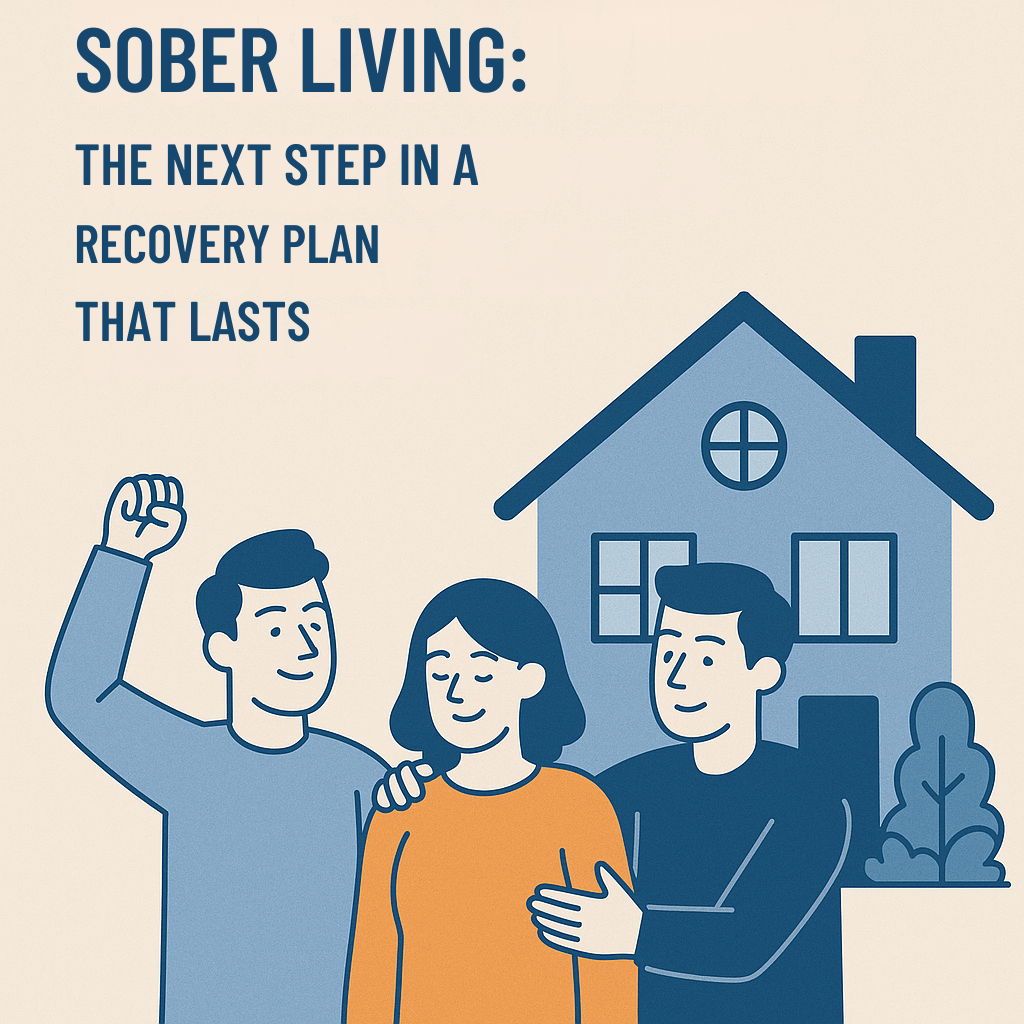
Completing a rehabilitation program is a major accomplishment and an important milestone in the recovery journey. After weeks or months of hard work, many people feel excited to return home and begin the next chapter of their lives. At the same time, leaving the structure of a treatment center can also bring uncertainty. Questions about…
Read MoreCan You Leave Rehab Early? Understanding the Risks

Entering rehab is a major step toward overcoming addiction. It represents a commitment to healing, rebuilding relationships, and creating a healthier future. However, not everyone who begins treatment finishes the program. As withdrawal symptoms improve or life responsibilities begin to feel overwhelming, some people start wondering if they should leave before completing their recommended treatment…
Read MoreRecovery Challenges After Treatment Ends

Completing addiction treatment is one of the most important milestones in recovery, but it is not the end of the journey. Many individuals leave treatment feeling hopeful, motivated, and excited to begin the next chapter of their lives. At the same time, they often discover that returning to everyday life brings new challenges they did…
Read MoreStress Management After Rehab

Stress is one of the few challenges every person will continue facing after addiction treatment. Returning to work, rebuilding relationships, managing finances, raising children, coping with unexpected setbacks, and handling everyday responsibilities are all normal parts of life. Recovery does not remove these pressures. Instead, it teaches individuals how to respond to them without returning…
Read MoreRecognizing Relapse Warning Signs Early

One of the biggest misconceptions about relapse is that it happens suddenly. Many people imagine relapse as a single decision made in a moment of weakness, but addiction recovery professionals understand that relapse is usually a gradual process rather than an isolated event. Long before someone returns to drugs or alcohol, there are often emotional,…
Read MoreCoping With Cravings During Recovery

One of the biggest concerns people have when they begin recovery is whether cravings will ever go away. Many individuals assume that once detox is complete or treatment begins, the desire to use drugs or alcohol should disappear. When cravings continue, they may become discouraged or worry that recovery is not working. The reality is…
Read More