
Recovery Life
Family Support During Detox: How Loved Ones Make or Break Recovery in Orange County
Getting clean isn’t something you do alone — not really. In Orange County, one of the biggest predictors of a successful detox and long-term recovery is simple: family support. But that support can either lift you up or tear you down, depending on how prepared everyone is. Family support during detox in Orange County helps…
Read MoreWork and Recovery: How to Balance Life in Orange County

Balancing work and recovery in Orange County can feel overwhelming at first. Getting sober is a huge step — but returning to your job, managing stress, and protecting your sobriety at the same time takes real planning. At Fresh Start of California, we see it every day: people who want to rebuild their careers while…
Read MoreFinding Sober Activities in Orange County: What to Do Next
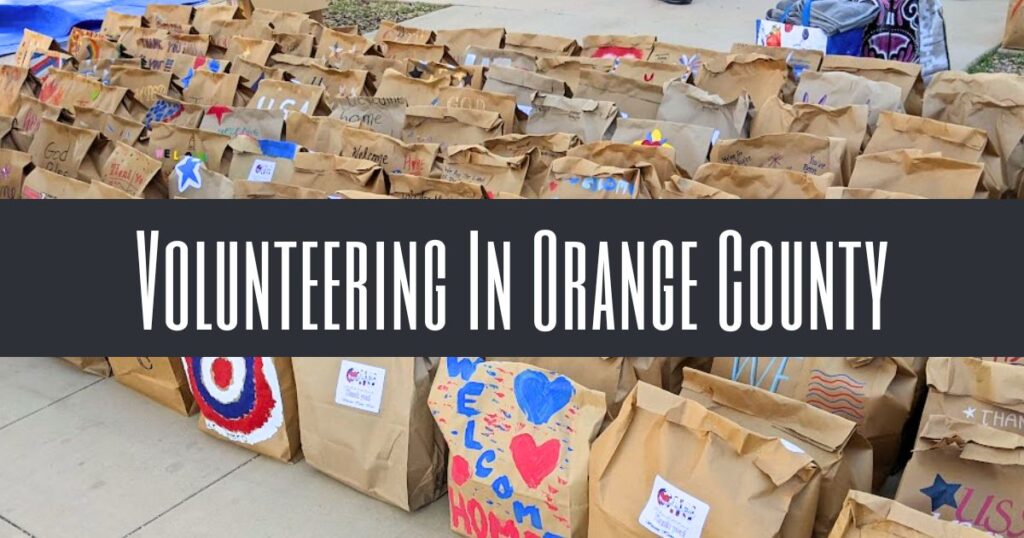
Finding sober activities in Orange County can feel tough at first — especially if you’re used to socializing around alcohol or other substances. The good news? OC has no shortage of fun, sober-friendly things to do. The key is learning to fill your free time with experiences that make you feel good, not just busy.…
Read MoreRebuilding Relationships After Rehab: Orange County Resources
Rebuilding relationships in Orange County after rehab is one of the hardest — and most rewarding — parts of recovery. Getting sober is a huge step, but healing the damage that addiction caused with family, friends, and partners can feel overwhelming. At Fresh Start of California, we know your relationships matter as much as your…
Read MorePrescription Drug Addiction in Older Adults

Prescription medications help millions of older adults manage chronic pain, anxiety, insomnia, and other health conditions. When used exactly as prescribed, these medications can significantly improve quality of life. However, some prescription drugs also carry a risk of dependence, especially when they are taken for extended periods or combined with other medications. As a result,…
Read MoreDrug Rehab for Working Professionals

Balancing a successful career while struggling with addiction can feel overwhelming. Many working professionals spend years hiding their substance use out of fear that seeking treatment could damage their reputation, jeopardize their employment, or negatively affect the people who depend on them. Unfortunately, delaying treatment often allows addiction to worsen, making both personal and professional…
Read MoreRelapse Warning Signs You Should Never Ignore

Recovery is a lifelong journey that involves much more than simply stopping drug or alcohol use. While completing detox and rehabilitation are significant milestones, maintaining sobriety requires ongoing awareness, healthy coping skills, and continued support. One of the most important aspects of long-term recovery is learning to recognize relapse before it happens. Relapse rarely occurs…
Read MoreHow Family Therapy Supports Addiction Recovery

Addiction affects far more than the individual struggling with substance use. It often impacts spouses, parents, children, siblings, and close friends who experience the emotional, financial, and relational effects of addiction. Trust may be broken, communication may become strained, and family members often feel confused about how to provide support without unintentionally enabling harmful behaviors.…
Read MoreHelping a Loved One Agree to Addiction Treatment

Watching someone you love struggle with addiction can be heartbreaking. Family members often feel helpless as they witness the physical, emotional, and financial consequences of substance use. Many people desperately want to help but are unsure what to say or how to encourage treatment without pushing their loved one further away. Convincing someone to seek…
Read MoreWhat Happens After Rehab? Building a Long-Term Recovery Plan
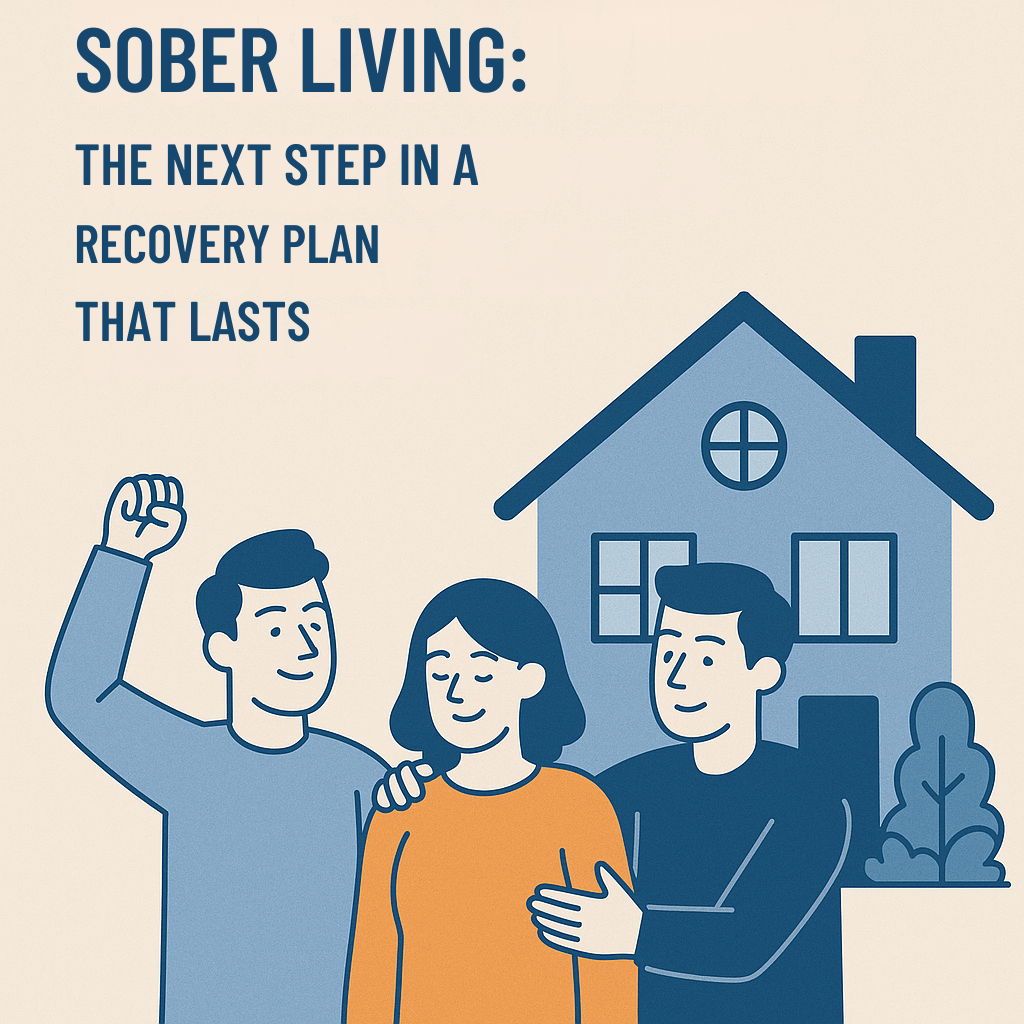
Completing a rehabilitation program is a major accomplishment and an important milestone in the recovery journey. After weeks or months of hard work, many people feel excited to return home and begin the next chapter of their lives. At the same time, leaving the structure of a treatment center can also bring uncertainty. Questions about…
Read More