
Posts Tagged ‘substance abuse’
How Long Does Fentanyl Stay in Your System?
Fentanyl is one of the most powerful synthetic opioids available today. Originally developed to treat severe pain, particularly after surgery or during cancer treatment, fentanyl has also become a major contributor to the opioid overdose crisis due to its potency and widespread presence in the illicit drug supply. Whether someone has been prescribed fentanyl or…
Read MorePrescription Drug Addiction in Older Adults

Prescription medications help millions of older adults manage chronic pain, anxiety, insomnia, and other health conditions. When used exactly as prescribed, these medications can significantly improve quality of life. However, some prescription drugs also carry a risk of dependence, especially when they are taken for extended periods or combined with other medications. As a result,…
Read MoreWhat Is Dual Diagnosis Treatment?

Mental health and substance use disorders often go hand in hand. Many people who struggle with addiction also experience depression, anxiety, post-traumatic stress disorder (PTSD), bipolar disorder, or other mental health conditions. Likewise, individuals living with untreated mental illness may turn to drugs or alcohol in an attempt to manage overwhelming emotions or symptoms. When…
Read MoreHow Long Does Meth Stay in Your System?

Methamphetamine is a powerful stimulant that affects the brain and central nervous system. While some people begin using meth because of the temporary increase in energy or alertness, repeated use often leads to physical dependence, emotional changes, and addiction. Individuals considering treatment frequently ask how long meth remains in the body, whether it will appear…
Read MoreHow Addiction Affects Decision Making Skills
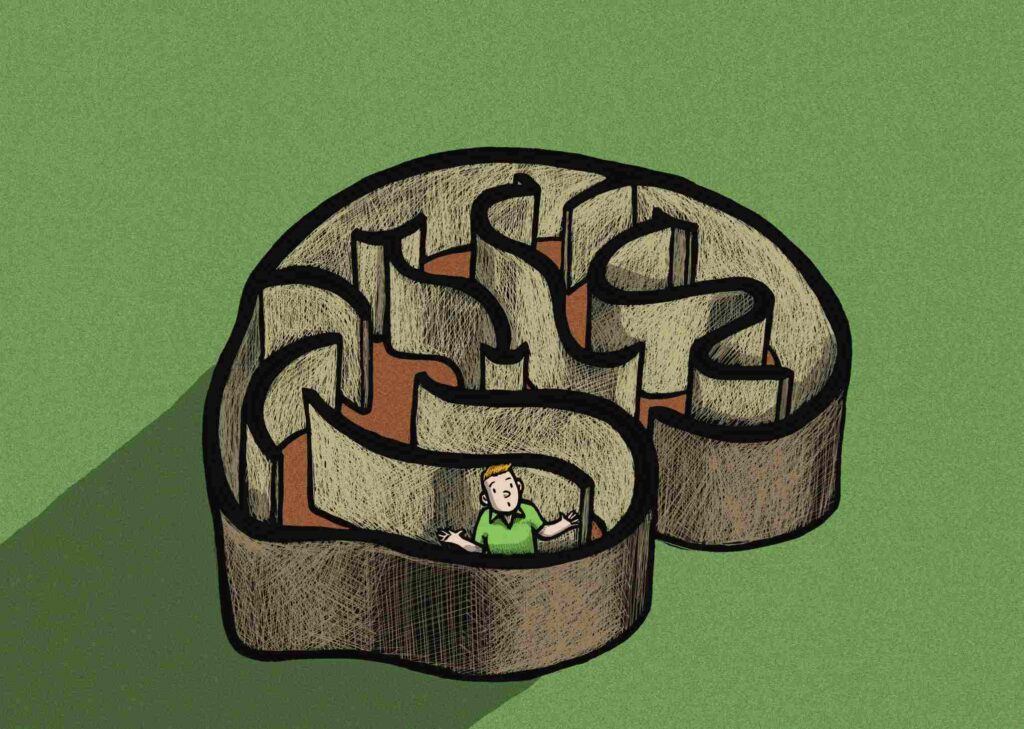
Addiction does not only affect behavior on the surface. It changes how a person thinks, processes information, and makes decisions over time. When looking at how addiction affects decision making skills, it becomes clear that substance use alters the brain in ways that weaken judgment, increase impulsivity, and make risky choices more likely. Decision making…
Read MoreHow Addiction Impacts Physical Health

Addiction is often discussed in terms of behavior, mental health, and relationships, but its impact on the body is just as significant. When people ask how addiction impacts physical health, they are usually referring to the visible consequences such as weight loss, fatigue, or illness. However, the physical effects go much deeper than what can…
Read MoreHow Addiction Affects Families Emotionally

Addiction does not only impact the person using substances. It affects everyone connected to them, especially family members. When people ask how addiction affects families emotionally, they are often trying to make sense of the stress, confusion, and pain that builds over time. The emotional toll is real, and it often develops slowly, making it…
Read MoreHow Trauma Leads to Substance Abuse
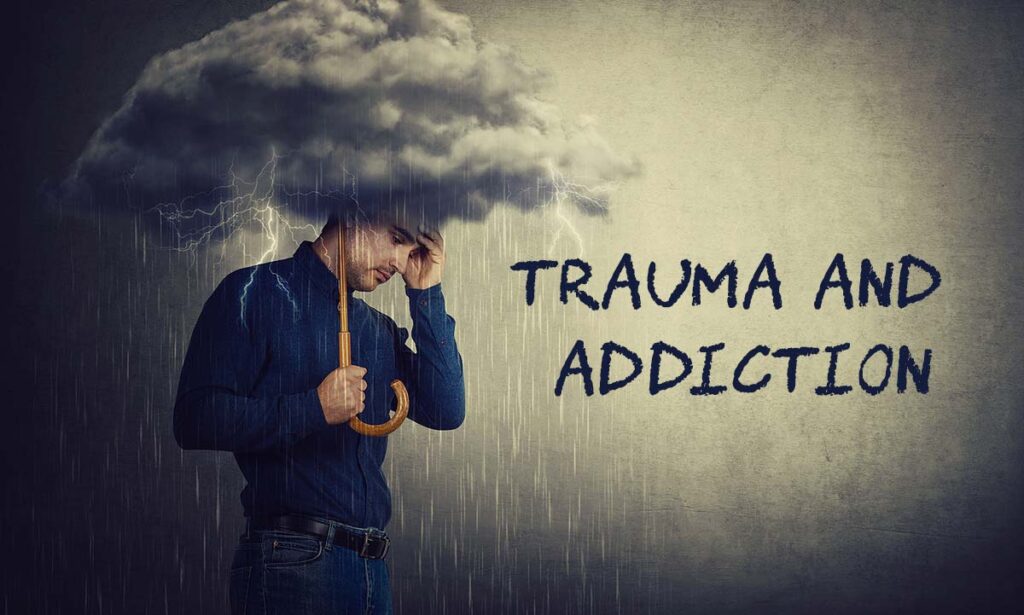
Trauma does not always look the way people expect it to. It is not limited to extreme events or single moments. Trauma can build slowly over time, shaped by repeated experiences, unresolved stress, or environments that never felt safe. When trauma is not processed, it does not disappear. It stays active in the body and…
Read MoreHow Stress Contributes to Substance Abuse

Addiction does not stay the same. It progresses. What starts as occasional use can turn into something that feels constant, necessary, and difficult to control. People often recognize that things are getting worse, but they do not always understand why. The answer is not just habit. It is how the brain and behavior adapt over…
Read MoreHow Denial Works in Addiction and Recovery

Denial is one of the most powerful forces in addiction. It does not just hide the problem from others. It distorts reality for the person experiencing it. Understanding how denial works in addiction explains why people continue using even when the consequences are clear. It is not always about refusing to see the truth. It…
Read More