
Posts Tagged ‘addiction recovery’
Drug Rehab in Orange County: Questions to Ask Before Choosing a Facility

Choosing a drug rehab program is one of the most important decisions you or a loved one can make during the recovery journey. With many addiction treatment centers located throughout Orange County, finding the right facility may feel overwhelming at first. While every rehab center promises quality care, not every program offers the same services,…
Read MoreChoosing Between Local and Out-of-Town Rehab

Deciding to enter addiction treatment is a life-changing step, but choosing where to receive that treatment can be just as important. One of the first decisions many people face is whether to attend a rehab program close to home or travel to an out-of-town facility. While both options provide opportunities for recovery, the right choice…
Read MoreWhat Makes an Effective Addiction Treatment Program?
Choosing to seek help for addiction is one of the most important decisions a person can make, but finding the right treatment program can feel overwhelming. With countless rehab centers advertising different therapies, amenities, and approaches to recovery, it can be difficult to know which program is truly equipped to provide meaningful, long-term results. While…
Read MoreRelapse Warning Signs You Should Never Ignore

Recovery is a lifelong journey that involves much more than simply stopping drug or alcohol use. While completing detox and rehabilitation are significant milestones, maintaining sobriety requires ongoing awareness, healthy coping skills, and continued support. One of the most important aspects of long-term recovery is learning to recognize relapse before it happens. Relapse rarely occurs…
Read MoreHow Family Therapy Supports Addiction Recovery

Addiction affects far more than the individual struggling with substance use. It often impacts spouses, parents, children, siblings, and close friends who experience the emotional, financial, and relational effects of addiction. Trust may be broken, communication may become strained, and family members often feel confused about how to provide support without unintentionally enabling harmful behaviors.…
Read MoreWhat to Pack for Residential Rehab

Preparing to enter residential rehab is a major milestone in the recovery journey. While choosing treatment is often the hardest decision, many people quickly begin wondering what they should actually bring with them. Packing the right items can make the transition into treatment smoother while helping individuals feel more comfortable during their stay. Knowing what…
Read MoreSuccessful Recovery Habits for Lasting Sobriety
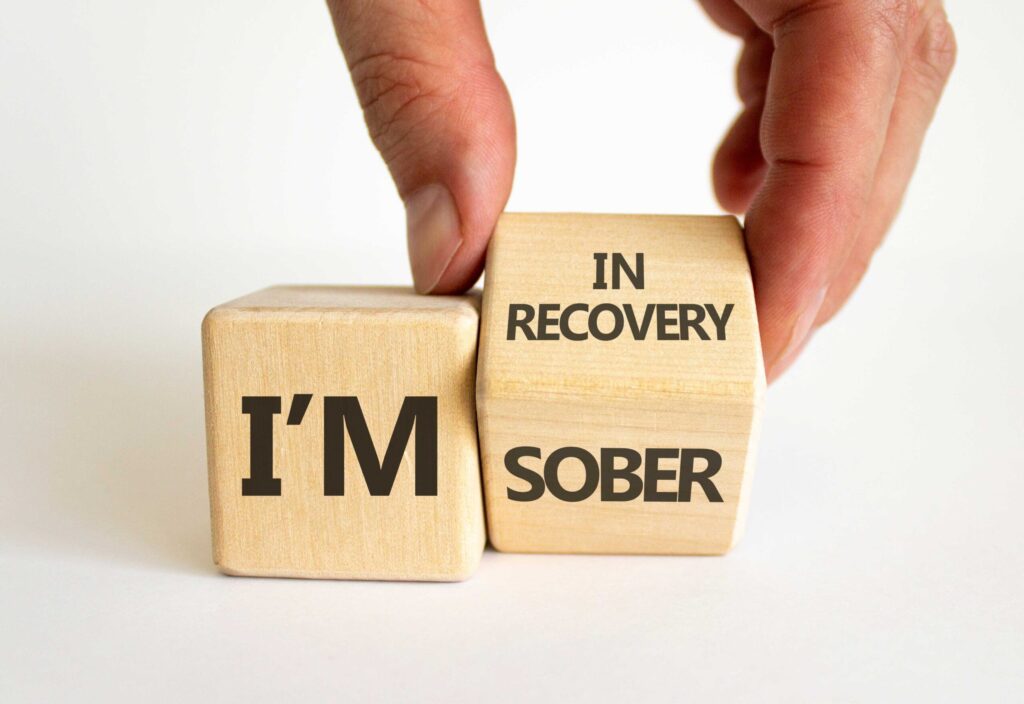
Recovery is rarely defined by one major decision. While choosing to seek treatment is one of the most important moments in a person’s life, long term sobriety is usually built through hundreds of smaller decisions repeated every day. Healthy routines, positive relationships, emotional awareness, and consistent personal responsibility gradually become the habits that support lasting…
Read MoreCreating Stability During Recovery

Recovery is often described as taking life one day at a time, but lasting sobriety is rarely built through individual days alone. It is built through stability. While detox and treatment help individuals begin recovery, the weeks and months that follow are when healthy routines, emotional balance, and consistent decision making begin shaping the future.…
Read MoreFinding Motivation for Long Term Sobriety

Recovery often begins with a powerful reason to change. For some individuals, that reason may be family. Others seek treatment because of declining health, legal problems, career consequences, or simply reaching a point where addiction has become too painful to continue. Whatever the reason, that initial motivation is often strong enough to begin the recovery…
Read MoreRecovery Challenges After Treatment Ends

Completing addiction treatment is one of the most important milestones in recovery, but it is not the end of the journey. Many individuals leave treatment feeling hopeful, motivated, and excited to begin the next chapter of their lives. At the same time, they often discover that returning to everyday life brings new challenges they did…
Read More