
The Recovery Blog
Your resource for real recovery & support.










Residential Rehab Orange County Safe Healing Options
For many people struggling with addiction, home is full of triggers, reminders, and stress that make recovery feel impossible. Residential…

Outpatient Rehab Orange County With Flexible Care
Not everyone who needs treatment can step away from work or family for weeks at a time. Outpatient rehab gives…
Inpatient Rehab Orange County for Real Recovery
When someone is ready to get help for addiction, the structure and safety of inpatient care can make all the…
Addiction Treatment Orange County Programs That Work
Starting addiction treatment takes courage. For many people, reaching that point means facing painful truths about substance use, mental health,…

Detox in Aliso Viejo: Safe, Private Help Close to Home
Living in Aliso Viejo comes with its own version of Orange County life — safe neighborhoods, good schools, and families…
Family Support During Detox: How Loved Ones Make or Break Recovery in Orange County
Getting clean isn’t something you do alone — not really. In Orange County, one of the biggest predictors of a…

Taking the first step toward recovery from alcohol addiction can feel overwhelming, especially when withdrawal symptoms are a concern. Many people want to stop drinking but worry about what will happen once alcohol leaves their system. Questions about withdrawal symptoms, detox timelines, and treatment options often prevent individuals from seeking the help they need. Understanding…

Making the decision to enter rehab is one of the most important choices someone can make while struggling with addiction. It is also completely normal to feel nervous before arriving at a treatment center. Many people wonder what the admissions process looks like, what they should bring, how treatment works, and what life will be…
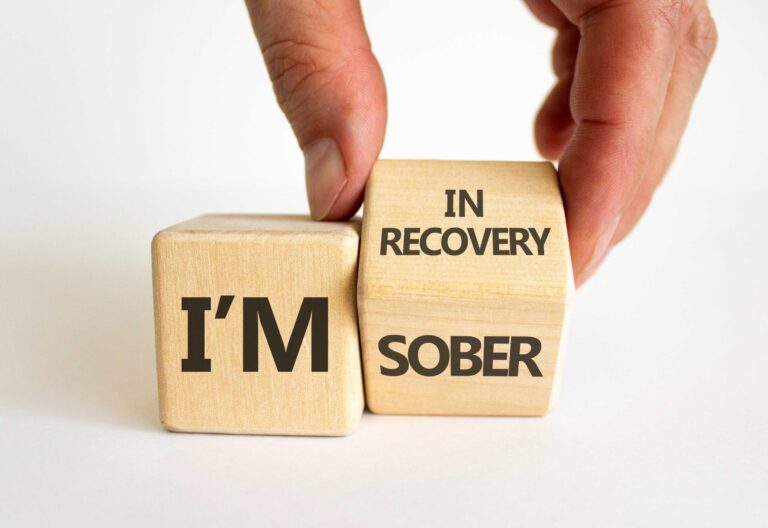
Recovery is rarely defined by one major decision. While choosing to seek treatment is one of the most important moments in a person’s life, long term sobriety is usually built through hundreds of smaller decisions repeated every day. Healthy routines, positive relationships, emotional awareness, and consistent personal responsibility gradually become the habits that support lasting…

Recovery is often described as taking life one day at a time, but lasting sobriety is rarely built through individual days alone. It is built through stability. While detox and treatment help individuals begin recovery, the weeks and months that follow are when healthy routines, emotional balance, and consistent decision making begin shaping the future.…

For many people, recovery begins with stopping the use of drugs or alcohol, but lasting healing often requires much more than physical sobriety. Addiction and mental health are closely connected, and many individuals discover that once substances are no longer masking their emotions, they must also begin addressing anxiety, depression, trauma, grief, stress, or other…

Recovery often begins with a powerful reason to change. For some individuals, that reason may be family. Others seek treatment because of declining health, legal problems, career consequences, or simply reaching a point where addiction has become too painful to continue. Whatever the reason, that initial motivation is often strong enough to begin the recovery…

Completing addiction treatment is one of the most important milestones in recovery, but it is not the end of the journey. Many individuals leave treatment feeling hopeful, motivated, and excited to begin the next chapter of their lives. At the same time, they often discover that returning to everyday life brings new challenges they did…

When someone enters addiction treatment, the focus naturally centers on the individual seeking recovery. However, addiction rarely affects only one person. Parents, spouses, children, siblings, grandparents, and close friends often spend months or even years living with the uncertainty, fear, and emotional strain that addiction creates. By the time treatment begins, loved ones may be…
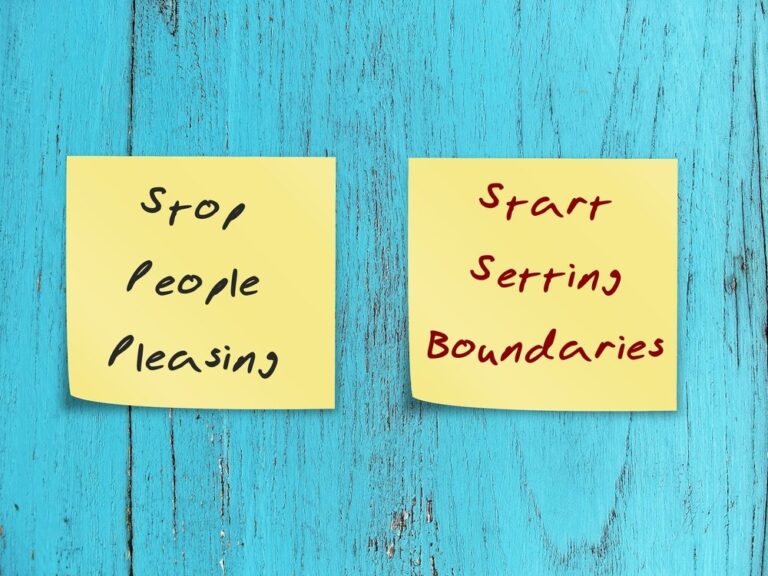
Recovery often begins with learning how to stop using drugs or alcohol, but long term healing requires much more than maintaining sobriety. It also involves changing the relationships, habits, and environments that once supported addiction. One of the most important skills individuals develop throughout recovery is learning how to establish healthy boundaries. Many people entering…

One of the greatest losses addiction creates is not always visible from the outside. While addiction often affects physical health, relationships, finances, and employment, it also quietly damages self-confidence. Many individuals spend years doubting themselves after broken promises, failed attempts to quit, strained relationships, and difficult life experiences caused by substance use. Even after completing…