
The Recovery Blog
Your resource for real recovery & support.









Residential Rehab Orange County Safe Healing Options
For many people struggling with addiction, home is full of triggers, reminders, and stress that make recovery feel impossible. Residential…

Outpatient Rehab Orange County With Flexible Care
Not everyone who needs treatment can step away from work or family for weeks at a time. Outpatient rehab gives…
Inpatient Rehab Orange County for Real Recovery
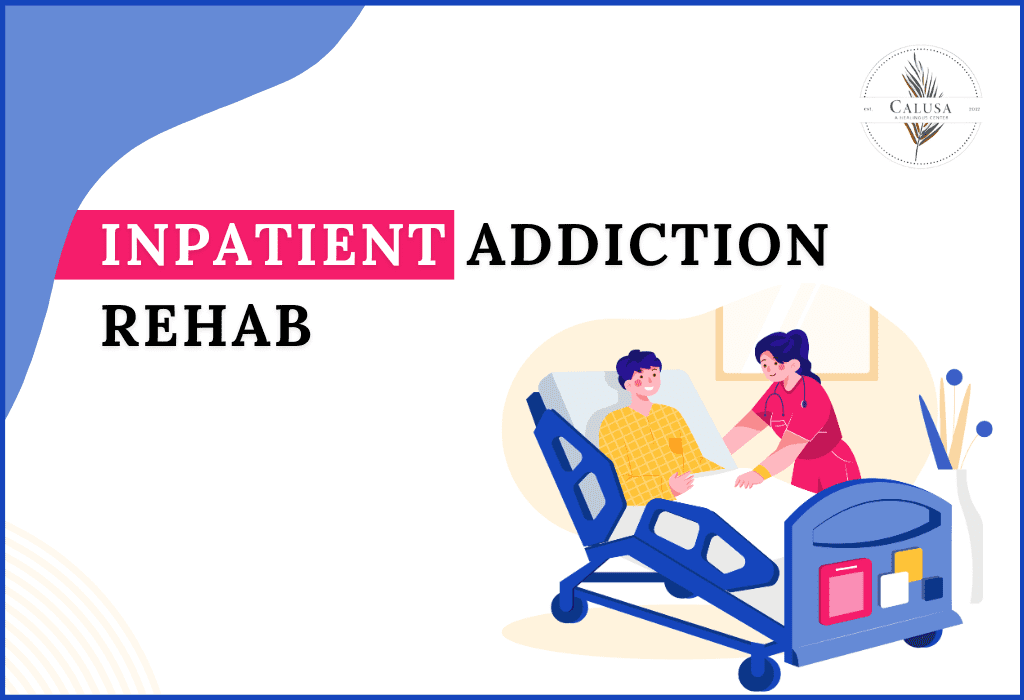
When someone is ready to get help for addiction, the structure and safety of inpatient care can make all the…
Addiction Treatment Orange County Programs That Work
Starting addiction treatment takes courage. For many people, reaching that point means facing painful truths about substance use, mental health,…

Detox in Aliso Viejo: Safe, Private Help Close to Home
Living in Aliso Viejo comes with its own version of Orange County life — safe neighborhoods, good schools, and families…
Family Support During Detox: How Loved Ones Make or Break Recovery in Orange County
Getting clean isn’t something you do alone — not really. In Orange County, one of the biggest predictors of a…

Achieving sobriety is a major accomplishment, but maintaining sobriety over the months and years that follow requires continued commitment, healthy routines, and a willingness to keep growing. Many individuals leave treatment feeling hopeful and motivated, only to discover that everyday life presents new challenges they did not have to face inside a structured recovery environment.…

Recovery is filled with victories, but it also includes challenges that cannot always be avoided. Stressful situations, unexpected setbacks, relationship conflicts, financial pressure, grief, disappointment, and emotional ups and downs remain part of life long after addiction treatment ends. The difference is that recovery teaches individuals how to face those experiences without returning to drugs…

One of the biggest misconceptions about addiction recovery is that sobriety alone changes everything. While stopping drug or alcohol use is a tremendous accomplishment, lasting recovery usually requires something much deeper. It involves changing the daily habits, routines, relationships, and thought patterns that once supported addiction and replacing them with choices that support long term…
For many individuals leaving addiction treatment, returning immediately to their previous living environment may not provide the stability needed for long term recovery. Old routines, unhealthy relationships, familiar triggers, and stressful situations can make early sobriety much more difficult to maintain. This is why many people choose to continue their recovery in a sober living…

For many people, addiction slowly becomes the center of life. Decisions begin revolving around obtaining substances, avoiding withdrawal, hiding the addiction, or recovering from its consequences. Over time, personal goals, hobbies, relationships, careers, and dreams often take a back seat as addiction consumes more attention and energy. Recovery changes that direction by creating opportunities to…

Stress is one of the few challenges every person will continue facing after addiction treatment. Returning to work, rebuilding relationships, managing finances, raising children, coping with unexpected setbacks, and handling everyday responsibilities are all normal parts of life. Recovery does not remove these pressures. Instead, it teaches individuals how to respond to them without returning…

Recovery is often described as a journey because healing does not happen all at once. Many people enter addiction treatment hoping that once they complete detox or rehab, life will immediately return to normal. While treatment is an essential first step, long term recovery involves much more than physical sobriety. It requires emotional growth, healthier…
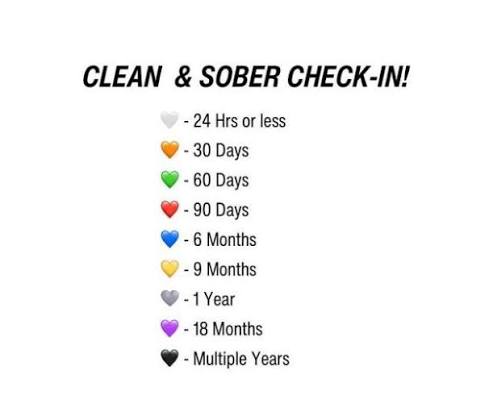
Recovery is often measured by sobriety dates, but the truth is that healing involves far more than simply counting days without drugs or alcohol. Every step forward matters. The first honest conversation with a loved one, the first full week back at work, learning how to handle stress without substances, rebuilding trust, and developing healthier…
One of the greatest challenges people face after addiction treatment is not simply avoiding drugs or alcohol. It is learning how to make healthy decisions consistently when life becomes stressful, emotional, or uncertain. During active addiction, many decisions are influenced by immediate relief rather than long term wellbeing. Recovery creates an opportunity to replace impulsive…

One of the biggest adjustments people face after addiction treatment has nothing to do with drugs or alcohol themselves. Instead, it involves learning how to experience emotions without using substances to escape them. During active addiction, many individuals relied on alcohol or drugs to numb anxiety, quiet racing thoughts, avoid painful memories, reduce stress, or…