
The Recovery Blog
Your resource for real recovery & support.










Residential Rehab Orange County Safe Healing Options
For many people struggling with addiction, home is full of triggers, reminders, and stress that make recovery feel impossible. Residential…

Outpatient Rehab Orange County With Flexible Care
Not everyone who needs treatment can step away from work or family for weeks at a time. Outpatient rehab gives…
Inpatient Rehab Orange County for Real Recovery
When someone is ready to get help for addiction, the structure and safety of inpatient care can make all the…
Addiction Treatment Orange County Programs That Work
Starting addiction treatment takes courage. For many people, reaching that point means facing painful truths about substance use, mental health,…

Detox in Aliso Viejo: Safe, Private Help Close to Home
Living in Aliso Viejo comes with its own version of Orange County life — safe neighborhoods, good schools, and families…
Family Support During Detox: How Loved Ones Make or Break Recovery in Orange County
Getting clean isn’t something you do alone — not really. In Orange County, one of the biggest predictors of a…

Recovery is often described as a journey, but many people underestimate how important support becomes throughout that journey. While completing detox or treatment is a major accomplishment, maintaining sobriety requires ongoing effort, accountability, and connection. This is especially true during the first months and years of recovery when individuals are learning how to navigate life…
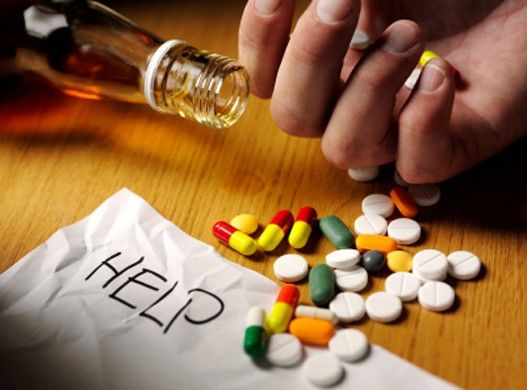
Drug addiction treatment in Santa Ana is not only about helping someone stop using substances. Real recovery involves understanding why addiction developed, what keeps it active, and what kind of support is needed to build a healthier life after treatment begins. For many individuals and families, the decision to seek help comes after months or…

Recovery from addiction often involves much more than physical sobriety alone. Many individuals entering recovery continue struggling with anxiety, depression symptoms, emotional exhaustion, trauma, stress, or unhealthy coping patterns long after substance use stops. While treatment may help someone become sober physically, emotional healing and mental wellness often require continued support throughout the recovery process.…

Addiction affects far more than the person struggling with substance abuse. Families often experience emotional exhaustion, stress, fear, confusion, financial pressure, and damaged relationships while trying to support someone navigating addiction and recovery. Many loved ones feel overwhelmed because they do not fully understand how addiction affects emotional wellness, behavior, communication, and long term healing.…

Recovery from addiction does not end after treatment or early sobriety. Many individuals quickly realize that long term recovery requires continued emotional support, accountability, healthy routines, and recovery focused environments that help maintain emotional stability over time. While becoming sober is an important milestone, lasting sobriety often depends on ongoing guidance and support systems that…

Recovery from addiction is often about rebuilding an entirely new way of living. While becoming sober is an important first step, long term recovery usually requires much deeper lifestyle changes that support emotional wellness, mental stability, healthier relationships, and long term accountability. Many individuals entering sobriety quickly realize that staying sober becomes much harder when…

Recovery from addiction often feels confusing and overwhelming for both individuals and families. Many people entering recovery struggle to understand why addiction developed, why emotional healing takes time, or why sobriety often requires more than simply stopping drugs or alcohol. Without education and understanding, recovery may feel emotionally frustrating because people often expect immediate emotional…

Relapse prevention is one of the most important parts of long term addiction recovery. While becoming sober is a major accomplishment, maintaining sobriety over time often requires emotional awareness, healthy coping skills, support systems, and structured routines that help individuals manage stress and recovery challenges consistently. Many people entering recovery initially focus only on stopping…

Recovery from addiction often requires much more than temporary motivation. While many individuals begin sobriety feeling determined and hopeful, long term recovery usually depends on consistency, accountability, healthy routines, and emotional support that continue reinforcing progress over time. Motivation naturally rises and falls during recovery, especially during stressful situations, emotional setbacks, or periods of exhaustion.…

Trauma and addiction are often deeply connected. Many individuals struggling with substance abuse are also carrying emotional pain related to past experiences involving abuse, neglect, violence, grief, relationship instability, chronic stress, or emotionally overwhelming life events. In many cases, drugs or alcohol become unhealthy coping mechanisms used to temporarily numb emotional pain or escape distressing…