
Recovery Education
How Stress Can Push People Toward Substance Use

Stress is one of the most common and overlooked drivers of substance use. While stress alone does not cause addiction, chronic and unmanaged stress can significantly increase vulnerability by changing how the brain responds to pressure, emotion, and reward. Over time, substances may become a way to cope when internal regulation feels impossible. Understanding how…
Read MoreWhy Relapse Risk Is Highest After Treatment
Relapse risk is often highest in the period immediately following treatment, even when individuals leave care motivated and committed to recovery. This reality can be confusing and discouraging for people who expect treatment completion to mark a turning point. In truth, the transition out of structured care is one of the most vulnerable phases of…
Read MoreEarly Signs of Addiction People Often Miss
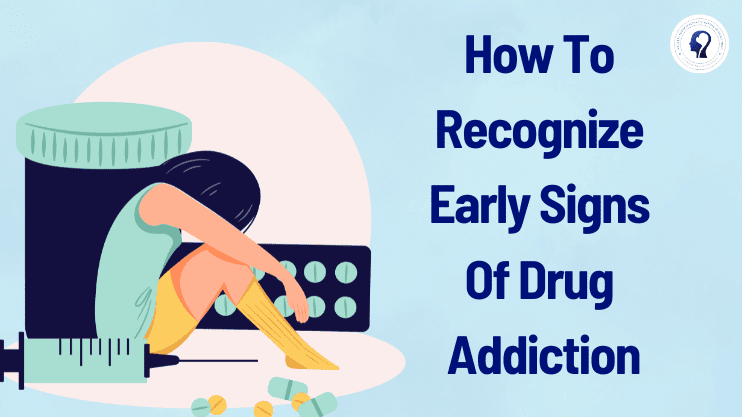
Addiction rarely begins with obvious warning signs. In most cases, it develops gradually, blending into everyday life long before it becomes visible to others. Because early changes can look like stress, burnout, or normal life transitions, addiction often goes unnoticed until it causes serious consequences. Recognizing early addiction signs is critical. The sooner changes are…
Read MoreThe Role Families Play in Addiction Recovery
Families play a powerful role in addiction recovery, whether they intend to or not. Supportive involvement can strengthen recovery and stability, while misunderstanding or unintentional behaviors can increase stress and relapse risk. Because addiction affects entire family systems, recovery does as well. Understanding the family role in recovery helps clarify when support is helpful, when…
Read MoreWhat Long Term Recovery Really Looks Like

Long term recovery is often misunderstood. Many people assume recovery ends when substance use stops or when treatment is completed. In reality, long term recovery is an ongoing process that continues well beyond early stabilization and formal care. Understanding what long term recovery really looks like helps set realistic expectations and supports healthier outcomes for…
Read MoreHow Mental Health Challenges Fuel Addiction

Mental health challenges and addiction are deeply connected. For many people, substance use does not begin as a recreational choice but as a way to cope with emotional pain, stress, or untreated psychological symptoms. When mental health needs go unmet, substances can become a form of self-medication that gradually turns into dependence. Understanding how mental…
Read MoreWhy Addiction Rates Keep Rising Across the U.S.

Addiction rates in the United States continue to rise despite increased awareness, expanded treatment options, and public health initiatives. This trend raises difficult questions for individuals, families, and communities trying to understand why substance use disorders are becoming more common rather than less. The reasons are not simple or singular. Rising addiction rates reflect a…
Read MoreAddiction Recovery Trends Shaping Lives Today
Addiction recovery in the United States looks very different today than it did even a decade ago. As overdose rates, mental health challenges, and public awareness continue to rise, recovery systems are evolving in response. These shifts are not about trends for the sake of novelty—they reflect real changes in how people access care, stay…
Read More