
Posts Tagged ‘mental health support’
Why Nervous System Regulation Matters in Recovery

Addiction is not only a behavioral issue. It is deeply connected to how the nervous system responds to stress, emotion, and threat. Many individuals who struggle with substance use also experience chronic nervous system dysregulation—meaning their bodies remain stuck in heightened survival states or emotional shutdown. Understanding why nervous system regulation matters in recovery is…
Read MoreHow Trauma Changes Judgment and Impulse Control
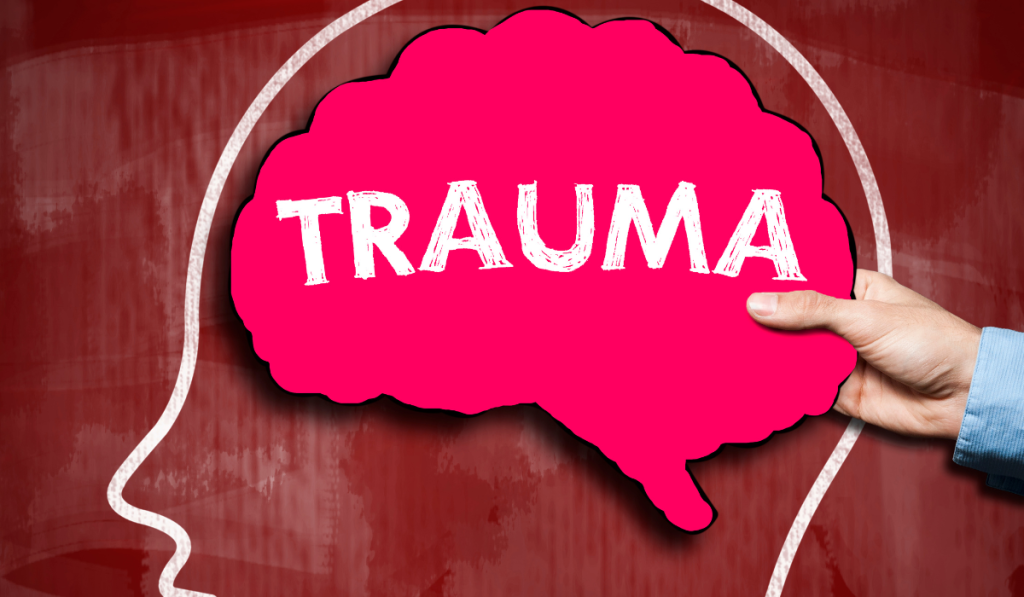
Trauma does not only affect emotions. It alters how the brain processes risk, reward, and decision-making. When individuals experience significant trauma—especially during childhood—their nervous system adapts for survival. These adaptations can later affect judgment, impulse control, and vulnerability to substance use. Understanding how trauma changes judgment and impulse control helps explain why addiction often develops…
Read MoreHow Emotional Neglect Affects Adult Addiction

Emotional neglect is often invisible. Unlike overt abuse, it does not always leave clear external markers. It is defined not by what happened, but by what was missing—consistent validation, emotional safety, responsiveness, and support. Over time, this absence can shape how individuals regulate feelings, form relationships, and cope with stress. Emotional neglect in childhood is…
Read MoreHow Childhood Adversity Shapes Adult Coping

Childhood adversity has long-term effects that extend far beyond early life experiences. Exposure to trauma, instability, neglect, or chronic stress during childhood can influence how individuals regulate emotions, manage stress, and form relationships in adulthood. These coping patterns often develop as survival strategies but may later increase vulnerability to substance use and other harmful behaviors.…
Read MoreHow Addiction Stigma Keeps People From Getting Help
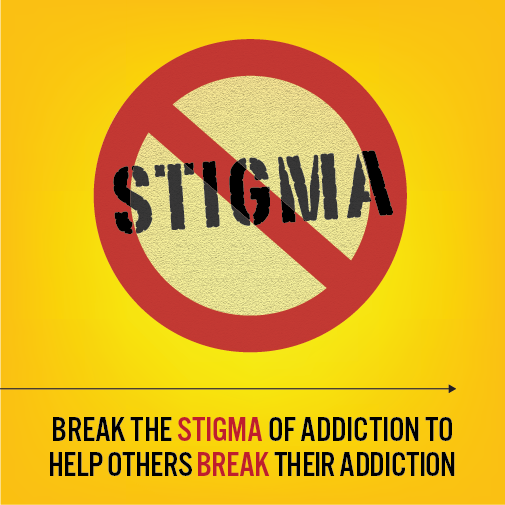
Addiction stigma remains one of the most powerful barriers preventing people from seeking help. While public awareness around substance use has improved, stigma still influences how addiction is viewed in families, workplaces, healthcare systems, and communities. When addiction is framed as a moral failure rather than a health condition, people delay treatment, hide their struggles,…
Read MoreHow Stress Can Push People Toward Substance Use

Stress is one of the most common and overlooked drivers of substance use. While stress alone does not cause addiction, chronic and unmanaged stress can significantly increase vulnerability by changing how the brain responds to pressure, emotion, and reward. Over time, substances may become a way to cope when internal regulation feels impossible. Understanding how…
Read MoreHow Mental Health Challenges Fuel Addiction

Mental health challenges and addiction are deeply connected. For many people, substance use does not begin as a recreational choice but as a way to cope with emotional pain, stress, or untreated psychological symptoms. When mental health needs go unmet, substances can become a form of self-medication that gradually turns into dependence. Understanding how mental…
Read MoreAddiction Treatment Orange County Programs That Work
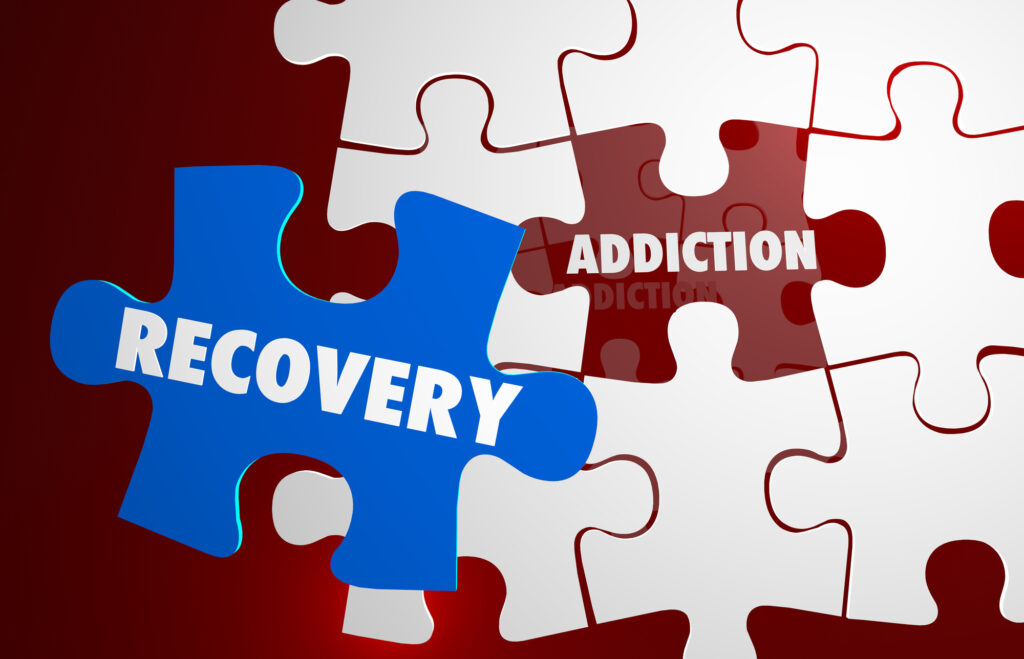
Starting addiction treatment takes courage. For many people, reaching that point means facing painful truths about substance use, mental health, and how life has changed over time. In Orange County, treatment options have grown to meet people where they are – offering medical safety, structured therapy, and genuine support for long-term recovery. Fresh Start of…
Read More