
Archive for March 2026
How Addiction Affects Judgment and Decision Making

Addiction affects far more than physical health. One of the most significant changes occurs in the way a person evaluates choices and makes decisions. Over time, substance use can interfere with the brain systems responsible for judgment, impulse control, and long-term planning. Understanding addiction decision making helps explain why individuals struggling with substance use often…
Read MoreWhy Addiction Often Leads to Impulsive Decisions

Addiction does more than affect behavior. It also changes how people think and make decisions. Many individuals struggling with substance use begin acting more impulsively, taking risks or making choices they would not normally consider. Understanding addiction impulsive behavior helps explain why judgment often changes during addiction. Impulsivity refers to acting quickly without fully considering…
Read MoreHow Addiction Can Damage Personal Relationships

Addiction rarely affects only the person using substances. It often spreads into every part of life, especially relationships. Friends, partners, and family members frequently feel the emotional impact of addiction long before treatment begins. Understanding the connection between addiction and relationships helps explain why substance use can gradually weaken trust, communication, and emotional stability. Relationships…
Read MoreHow Loneliness Can Deepen Addiction Struggles

Human connection is one of the most important parts of emotional well-being. When people feel disconnected from others, loneliness can quickly take hold. For individuals struggling with substance use, loneliness can become a powerful factor that worsens addiction. Understanding the relationship between addiction and loneliness helps explain why social isolation often makes recovery more difficult…
Read MoreWhy Boredom Can Become Dangerous During Addiction

Boredom may seem like a harmless emotion, but for people struggling with substance use, it can become a powerful trigger. Many individuals underestimate the connection between addiction and boredom, yet a lack of purpose, stimulation, or meaningful activity can increase the risk of substance use and relapse. Addiction often develops alongside lifestyle patterns that revolve…
Read MoreHow Shame Can Keep Addiction Hidden From Others

Addiction often develops in secrecy. Many individuals struggling with substance use go to great lengths to hide their behavior from family, friends, and coworkers. One of the strongest reasons for this secrecy is shame. Understanding addiction and shame helps explain why many people suffer in silence rather than asking for help. Shame is a powerful…
Read MoreUnderstanding the Guilt Many People Feel During Addiction
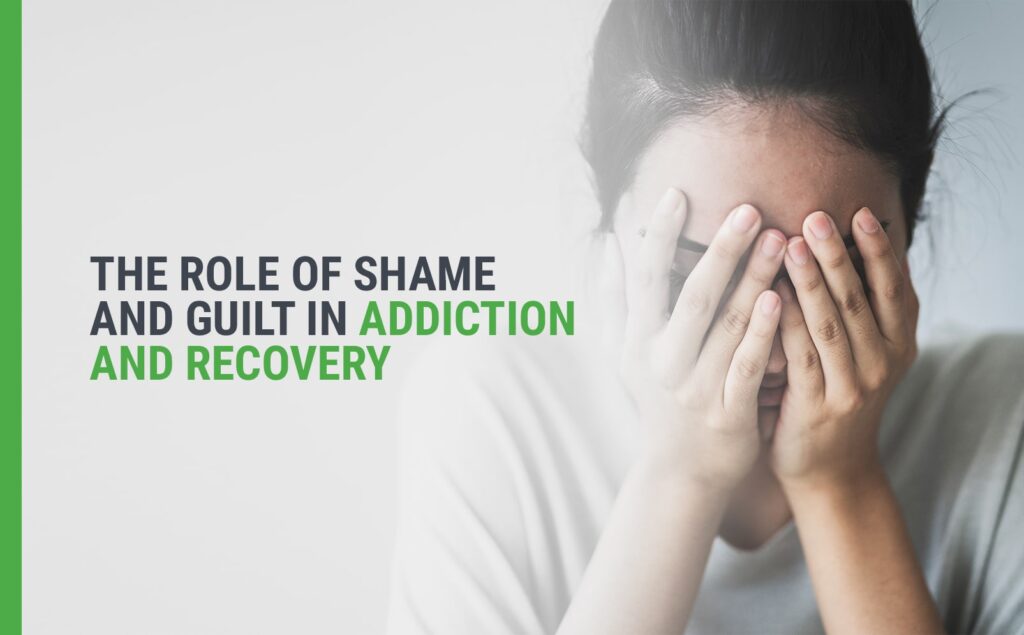
Addiction is often described as a physical and psychological struggle, but the emotional weight of addiction can be just as powerful. One of the most common emotions people experience during substance use is guilt. Understanding addiction and guilt can help families and individuals see how deeply emotional struggles shape the addiction cycle. Guilt often develops…
Read MoreHow Secrecy Becomes a Pattern During Addiction

Addiction rarely develops in the open. In many cases, secrecy slowly becomes part of daily life for someone struggling with substance use. Over time, hiding behaviors, covering up mistakes, and avoiding difficult conversations can become routine. This pattern is often described as addiction secrecy behavior, and it plays a major role in how addiction progresses.…
Read MoreWhy Relapse Happens Even When Someone Wants to Stay Sober

Relapse is one of the most misunderstood parts of addiction recovery. Many people assume that if someone truly wants to stay sober, they will simply avoid drugs or alcohol. But recovery is far more complicated than willpower alone. This misunderstanding is why so many families ask the same question: why addicts relapse even when they…
Read MoreWhy People Struggling With Addiction Often Isolate Themselves

Addiction affects more than physical health. It can slowly change how someone interacts with the world around them. Many families eventually notice a troubling pattern and ask why addicts isolate themselves from loved ones. Isolation is one of the most common behavioral changes associated with substance use disorders. While it may appear intentional, it is…
Read More