
Recovery Education
How to Maintain Recovery for the Long Haul

Maintaining recovery for the long haul requires more than initial motivation. Early recovery focuses on stabilization and avoiding relapse. Long-term recovery focuses on sustainability, resilience, and growth through life’s inevitable stressors. Recovery is not something you complete. It is something you maintain. Understanding how to maintain long term recovery helps individuals move from fragile stability…
Read MoreCreating Healthy Routines in Early Recovery

Early recovery is often unstable—not because motivation is lacking, but because structure is missing. During active addiction, routines frequently revolve around substance access, emotional avoidance, or survival patterns. When substance use stops, a gap appears. Without intentional structure, that gap can quickly fill with boredom, stress, or impulsivity. Creating healthy routines in early recovery builds…
Read MoreHow Families Can Support Recovery Without Enabling

Family involvement can strengthen recovery—or quietly undermine it. The difference often lies in understanding the line between support and enabling. While both are usually motivated by care and concern, enabling removes accountability and shields someone from consequences, whereas support reinforces responsibility and growth. Learning how families can support recovery without enabling is critical for long-term…
Read MoreRebuilding Trust After Addiction Takes Time

Addiction rarely damages only the individual struggling with substance use. It often strains or fractures relationships with family members, partners, friends, and colleagues. Broken promises, secrecy, financial instability, and emotional withdrawal leave lasting impact. Even after substance use stops, trust does not automatically return. Rebuilding trust after addiction takes time, consistency, and demonstrated change. Words…
Read MoreHow to Cope With Triggers Without Using

Triggers are an unavoidable part of recovery. They can be emotional, environmental, relational, or sensory. While triggers cannot always be eliminated, they can be managed. Learning how to cope with triggers without using substances is one of the most important skills in long-term recovery. Triggers do not cause relapse by themselves. It is the response…
Read MoreBuilding Strong Recovery Support Systems
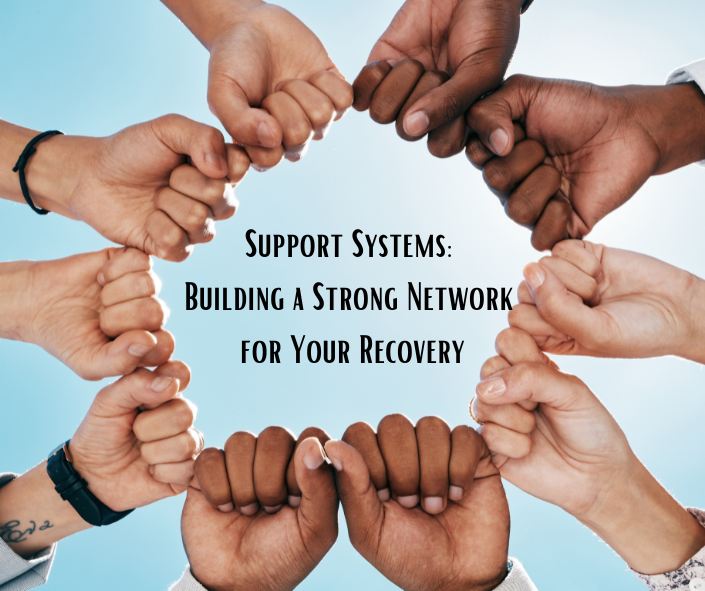
Recovery is not sustained through willpower alone. Long-term stability depends heavily on the strength of the support systems surrounding an individual. While motivation is important, connection, structure, and accountability often determine whether recovery remains steady under stress. Building strong recovery support systems reduces isolation, increases resilience, and lowers relapse risk. Recovery is more durable when…
Read MoreHow to Start a Conversation About Addiction

Starting a conversation about addiction can feel uncomfortable, especially when emotions, fear, and uncertainty are involved. Many people avoid the discussion entirely because they worry about conflict, denial, or saying the wrong thing. However, early and respectful conversations often prevent escalation. Knowing how to start a conversation about addiction can reduce defensiveness, increase openness, and…
Read MoreHow to Recognize Addiction Before It Escalates

Addiction rarely begins with obvious consequences. It often develops gradually through small behavioral shifts, increasing reliance, and subtle emotional changes. By the time serious problems appear, patterns may already be deeply established. Recognizing addiction before it escalates allows for earlier intervention, reduced harm, and stronger long-term recovery outcomes. The earlier patterns are identified, the easier…
Read MoreWhy Nervous System Regulation Matters in Recovery

Addiction is not only a behavioral issue. It is deeply connected to how the nervous system responds to stress, emotion, and threat. Many individuals who struggle with substance use also experience chronic nervous system dysregulation—meaning their bodies remain stuck in heightened survival states or emotional shutdown. Understanding why nervous system regulation matters in recovery is…
Read MoreBreaking Generational Patterns of Addiction

Addiction rarely exists in isolation. In many families, substance use patterns repeat across generations. Children grow up observing coping behaviors, emotional responses, and stress management strategies that shape how they later respond to difficulty. When addiction becomes embedded in family systems, it can feel inevitable. It is not inevitable. Breaking generational patterns of addiction requires…
Read More