
The Recovery Blog
Your resource for real recovery & support.










Residential Rehab Orange County Safe Healing Options
For many people struggling with addiction, home is full of triggers, reminders, and stress that make recovery feel impossible. Residential…

Outpatient Rehab Orange County With Flexible Care
Not everyone who needs treatment can step away from work or family for weeks at a time. Outpatient rehab gives…
Inpatient Rehab Orange County for Real Recovery
When someone is ready to get help for addiction, the structure and safety of inpatient care can make all the…
Addiction Treatment Orange County Programs That Work
Starting addiction treatment takes courage. For many people, reaching that point means facing painful truths about substance use, mental health,…

Detox in Aliso Viejo: Safe, Private Help Close to Home
Living in Aliso Viejo comes with its own version of Orange County life — safe neighborhoods, good schools, and families…
Family Support During Detox: How Loved Ones Make or Break Recovery in Orange County
Getting clean isn’t something you do alone — not really. In Orange County, one of the biggest predictors of a…

Addiction recovery is about much more than physical sobriety. Many individuals struggling with substance abuse also experience anxiety, depression symptoms, trauma, emotional exhaustion, stress disorders, or other mental health challenges that continue affecting daily life long after drugs or alcohol are removed. For many people, addiction and emotional struggles become closely connected over time because…

Recovery from substance abuse is often a long and deeply personal process. While many people focus on detox or early sobriety as the main goal, long term healing usually involves much more than simply stopping drugs or alcohol. Recovery often requires emotional growth, healthier routines, mental health support, accountability, and stable environments that help individuals…

Recovery from addiction is rarely something people manage successfully completely alone. While becoming sober is an important step, long term recovery often requires emotional support, healthy routines, accountability, and stable environments that help individuals continue healing after treatment begins. Many people struggling with addiction experience isolation, emotional instability, damaged relationships, and unhealthy coping patterns that…
Relapse prevention is often misunderstood as simply avoiding substance use. In reality, it is a structured and ongoing process that involves awareness, preparation, and consistent effort. Understanding what relapse prevention really means requires looking at the patterns that lead to relapse and the strategies that help interrupt those patterns before they fully develop. Relapse does…

Addiction is not only a physical condition. It is deeply connected to thoughts, emotions, behaviors, and past experiences. Because of this, recovery requires more than stopping substance use. Understanding how therapy helps addiction recovery makes it clear that lasting change comes from addressing the underlying causes that drive substance use in the first place. Many…

Long-term recovery from addiction is more than maintaining sobriety. It represents a sustained shift in how a person lives, thinks, and functions on a daily basis. When looking at the benefits of long term addiction recovery, it becomes clear that the impact extends far beyond avoiding substances. It affects physical health, mental clarity, relationships, and…
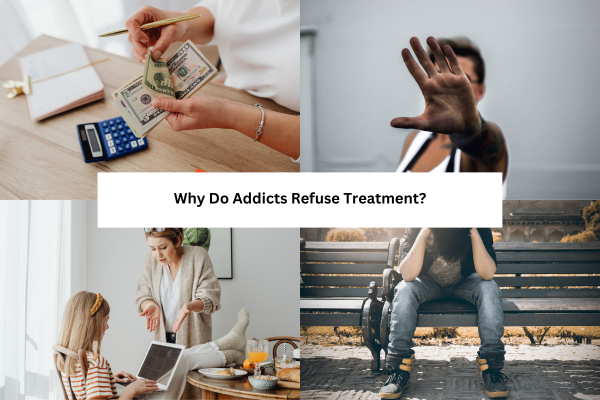
Addiction does not only affect behavior. It also affects how people think about themselves, their situation, and the idea of getting help. Understanding why people resist getting help for addiction requires looking beyond the surface and recognizing the emotional and psychological barriers that prevent action. For many individuals, the issue is not a lack of…
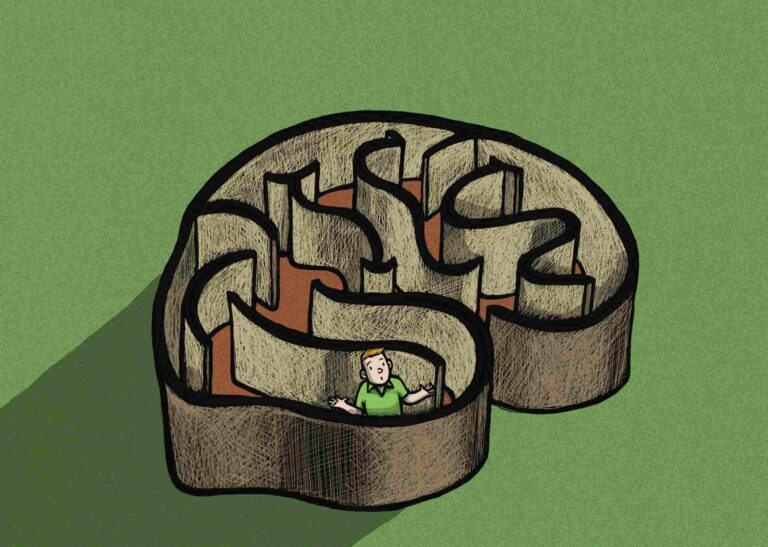
Addiction does not only affect behavior on the surface. It changes how a person thinks, processes information, and makes decisions over time. When looking at how addiction affects decision making skills, it becomes clear that substance use alters the brain in ways that weaken judgment, increase impulsivity, and make risky choices more likely. Decision making…

Substance use disorder does not usually appear all at once. It develops gradually, often through small changes in behavior, mood, and daily habits that become more noticeable over time. Understanding the warning signs of substance use disorder is important because early recognition can lead to earlier intervention and better outcomes. Many of these signs are…

Recovery does not end when substance use stops. In many ways, that is where the real work begins. Understanding how to build a sober lifestyle is about creating a way of living that supports long-term stability, not just short-term sobriety. Without that foundation, it becomes much harder to maintain progress over time. A sober lifestyle…