
The Recovery Blog
Your resource for real recovery & support.










Residential Rehab Orange County Safe Healing Options
For many people struggling with addiction, home is full of triggers, reminders, and stress that make recovery feel impossible. Residential…

Outpatient Rehab Orange County With Flexible Care
Not everyone who needs treatment can step away from work or family for weeks at a time. Outpatient rehab gives…
Inpatient Rehab Orange County for Real Recovery
When someone is ready to get help for addiction, the structure and safety of inpatient care can make all the…
Addiction Treatment Orange County Programs That Work
Starting addiction treatment takes courage. For many people, reaching that point means facing painful truths about substance use, mental health,…

Detox in Aliso Viejo: Safe, Private Help Close to Home
Living in Aliso Viejo comes with its own version of Orange County life — safe neighborhoods, good schools, and families…
Family Support During Detox: How Loved Ones Make or Break Recovery in Orange County
Getting clean isn’t something you do alone — not really. In Orange County, one of the biggest predictors of a…

Substance abuse rarely starts in a way that is obvious. It builds gradually, often hidden behind normal routines, excuses, or temporary stress. By the time it becomes clear, the patterns are already established. Recognizing signs someone is struggling with substance abuse early can make the difference between intervention and escalation. The problem is that most…
Recovery is not a single decision. It is a process that unfolds over time, and each phase brings a different set of challenges. When people do not understand the stages of addiction recovery explained, they start to think something is wrong with them when things feel difficult. Nothing is wrong. They are just in a…
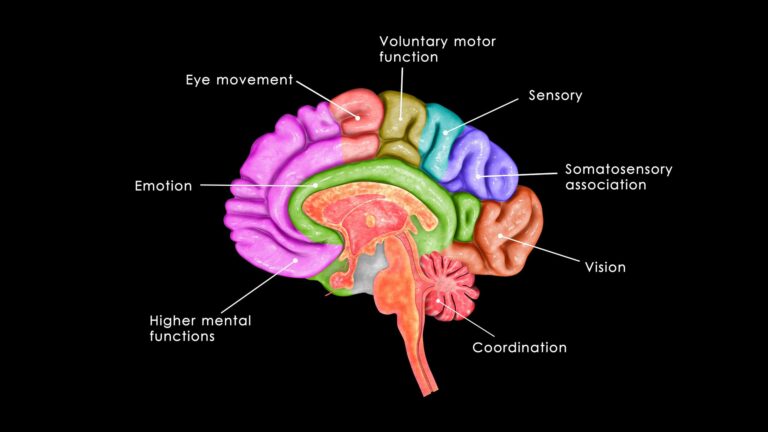
Addiction is not just a series of bad choices. It is a condition that changes how the brain works over time. When someone is repeatedly exposed to drugs or alcohol, the brain begins to adapt in ways that make stopping extremely difficult. Understanding how addiction affects the brain long term helps explain why people struggle…

Recovery often involves learning how to enjoy life without relying on substances. Many people in recovery find that discovering peaceful environments and healthy activities can strengthen both emotional well being and long term sobriety. Fortunately, there are many sober places Orange County residents and visitors can explore that support relaxation, reflection, and healthy living. From…

Recovery from addiction often requires more than a single treatment program. Many individuals benefit from continued access to community support, guidance, and resources that help them navigate the challenges of rebuilding their lives. Fortunately, there are many santa ana recovery support services available to individuals and families seeking help. These resources provide emotional support, educational…

Recovery from addiction often becomes easier when individuals feel connected to others who understand the journey. While treatment programs provide essential care, many people continue strengthening their sobriety through connection with others who share similar goals. This network of individuals, families, professionals, and peer groups forms what is often called the orange county recovery community.…

Mental health support plays a vital role in addiction recovery and overall well-being. Many individuals struggling with substance use also face challenges such as anxiety, depression, trauma, or stress. Access to professional mental health care can help individuals address these challenges while strengthening their recovery. Fortunately, there are many mental health resources Santa Ana offers…
Addiction affects more than the individual struggling with substance use. It often impacts the entire family. When someone enters recovery, family members may wonder how they can best provide support while also protecting their own emotional well-being. Understanding how family support addiction OC communities encourage recovery can help families play a positive role in the…

Recovery from addiction often involves accessing a variety of resources that support healing, stability, and long-term well-being. While treatment programs provide important care during early recovery, many individuals continue to rely on community resources as they rebuild their lives. For people living in Southern California, there are many recovery resources Orange County offers that support…

Recovery from addiction rarely happens in isolation. While treatment programs provide essential medical and therapeutic support, many individuals continue their healing journey by connecting with others who understand the challenges of addiction and recovery. Support groups play a major role in helping people maintain sobriety and build stronger coping skills. For individuals and families in…