
The Recovery Blog
Your resource for real recovery & support.









Residential Rehab Orange County Safe Healing Options
For many people struggling with addiction, home is full of triggers, reminders, and stress that make recovery feel impossible. Residential…

Outpatient Rehab Orange County With Flexible Care
Not everyone who needs treatment can step away from work or family for weeks at a time. Outpatient rehab gives…
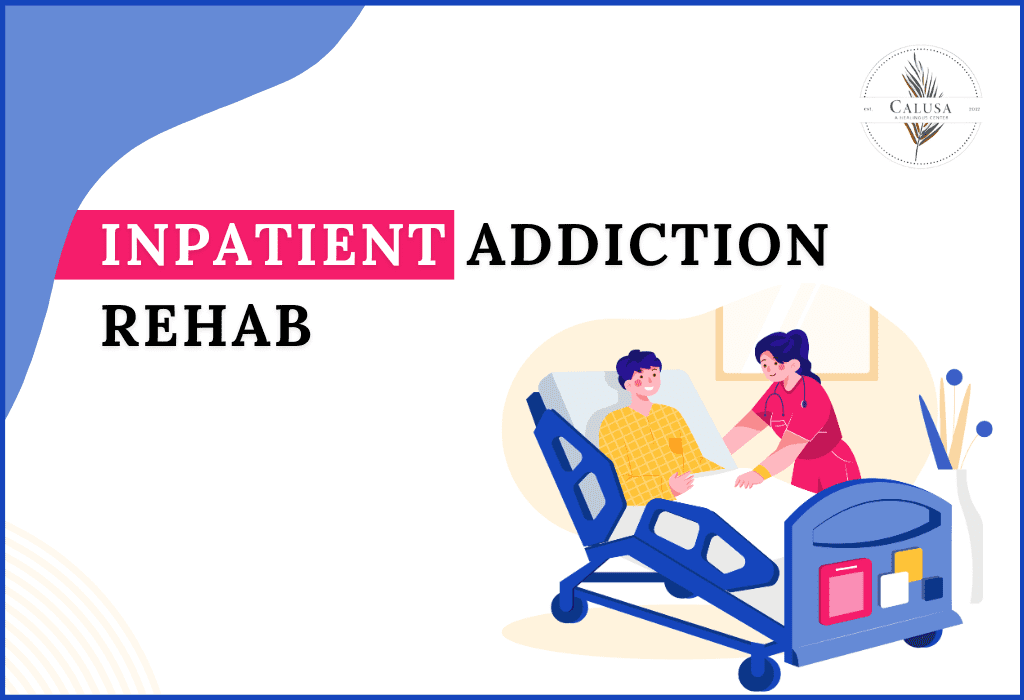
Inpatient Rehab Orange County for Real Recovery
When someone is ready to get help for addiction, the structure and safety of inpatient care can make all the…
Addiction Treatment Orange County Programs That Work
Starting addiction treatment takes courage. For many people, reaching that point means facing painful truths about substance use, mental health,…

Detox in Aliso Viejo: Safe, Private Help Close to Home
Living in Aliso Viejo comes with its own version of Orange County life — safe neighborhoods, good schools, and families…
Family Support During Detox: How Loved Ones Make or Break Recovery in Orange County
Getting clean isn’t something you do alone — not really. In Orange County, one of the biggest predictors of a…

Addiction recovery is often described as a journey of healing and growth. While recovery can bring many positive changes, it can also involve emotional challenges. Many individuals experience periods of emotional highs and lows during the healing process. Understanding recovery emotional swings helps explain why these fluctuations happen and why they are a natural part…

Many people entering addiction recovery expect their lives to immediately improve once they stop using substances. While recovery can lead to profound positive changes, the early stages often come with emotional and psychological challenges. One of the most common experiences during this period is boredom. Understanding early recovery boredom helps explain why this feeling appears…
Recovery is a powerful and life-changing process, but it is not always easy. Many individuals entering recovery expect to feel motivated and energized about their new path. However, it is very common for motivation to fluctuate or even drop during different stages of recovery. Understanding recovery motivation loss helps explain why these changes occur and…

Addiction affects far more than physical health. One of the most significant changes occurs in the way a person evaluates choices and makes decisions. Over time, substance use can interfere with the brain systems responsible for judgment, impulse control, and long-term planning. Understanding addiction decision making helps explain why individuals struggling with substance use often…

Addiction does more than affect behavior. It also changes how people think and make decisions. Many individuals struggling with substance use begin acting more impulsively, taking risks or making choices they would not normally consider. Understanding addiction impulsive behavior helps explain why judgment often changes during addiction. Impulsivity refers to acting quickly without fully considering…

Addiction rarely affects only the person using substances. It often spreads into every part of life, especially relationships. Friends, partners, and family members frequently feel the emotional impact of addiction long before treatment begins. Understanding the connection between addiction and relationships helps explain why substance use can gradually weaken trust, communication, and emotional stability. Relationships…

Human connection is one of the most important parts of emotional well-being. When people feel disconnected from others, loneliness can quickly take hold. For individuals struggling with substance use, loneliness can become a powerful factor that worsens addiction. Understanding the relationship between addiction and loneliness helps explain why social isolation often makes recovery more difficult…

Boredom may seem like a harmless emotion, but for people struggling with substance use, it can become a powerful trigger. Many individuals underestimate the connection between addiction and boredom, yet a lack of purpose, stimulation, or meaningful activity can increase the risk of substance use and relapse. Addiction often develops alongside lifestyle patterns that revolve…

Addiction often develops in secrecy. Many individuals struggling with substance use go to great lengths to hide their behavior from family, friends, and coworkers. One of the strongest reasons for this secrecy is shame. Understanding addiction and shame helps explain why many people suffer in silence rather than asking for help. Shame is a powerful…
Addiction is often described as a physical and psychological struggle, but the emotional weight of addiction can be just as powerful. One of the most common emotions people experience during substance use is guilt. Understanding addiction and guilt can help families and individuals see how deeply emotional struggles shape the addiction cycle. Guilt often develops…