
Posts Tagged ‘addiction awareness’
How to Recognize Addiction Before It Escalates

Addiction rarely begins with obvious consequences. It often develops gradually through small behavioral shifts, increasing reliance, and subtle emotional changes. By the time serious problems appear, patterns may already be deeply established. Recognizing addiction before it escalates allows for earlier intervention, reduced harm, and stronger long-term recovery outcomes. The earlier patterns are identified, the easier…
Read MoreHow Trauma Changes Judgment and Impulse Control

Trauma does not only affect emotions. It alters how the brain processes risk, reward, and decision-making. When individuals experience significant trauma—especially during childhood—their nervous system adapts for survival. These adaptations can later affect judgment, impulse control, and vulnerability to substance use. Understanding how trauma changes judgment and impulse control helps explain why addiction often develops…
Read MoreWhy Toxic Stress Increases Addiction Risk

Toxic stress is not ordinary stress. It is prolonged, intense, and experienced without adequate support. When stress becomes chronic and overwhelming—especially during childhood—it alters how the brain and body regulate emotion, impulse control, and reward. Over time, these changes significantly increase addiction risk. Understanding why toxic stress increases addiction risk requires looking beyond behavior and…
Read MoreWhat Public Relapse Stories Reveal About Recovery

Public relapse stories often draw attention, especially when shared by celebrities, community leaders, or public figures. While these stories can be uncomfortable or discouraging, they also reveal important truths about how recovery actually works. Relapse does not invalidate recovery. Instead, public relapse stories highlight the complexity, vulnerability, and long-term nature of addiction recovery. Public relapse…
Read MoreHow Addiction Stigma Keeps People From Getting Help
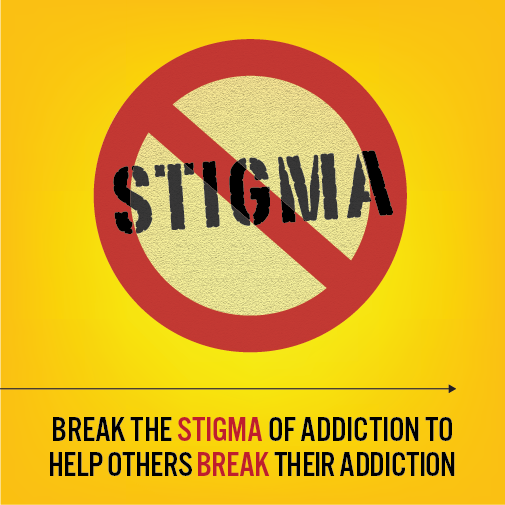
Addiction stigma remains one of the most powerful barriers preventing people from seeking help. While public awareness around substance use has improved, stigma still influences how addiction is viewed in families, workplaces, healthcare systems, and communities. When addiction is framed as a moral failure rather than a health condition, people delay treatment, hide their struggles,…
Read MoreHow Stress Can Push People Toward Substance Use

Stress is one of the most common and overlooked drivers of substance use. While stress alone does not cause addiction, chronic and unmanaged stress can significantly increase vulnerability by changing how the brain responds to pressure, emotion, and reward. Over time, substances may become a way to cope when internal regulation feels impossible. Understanding how…
Read MoreEarly Signs of Addiction People Often Miss
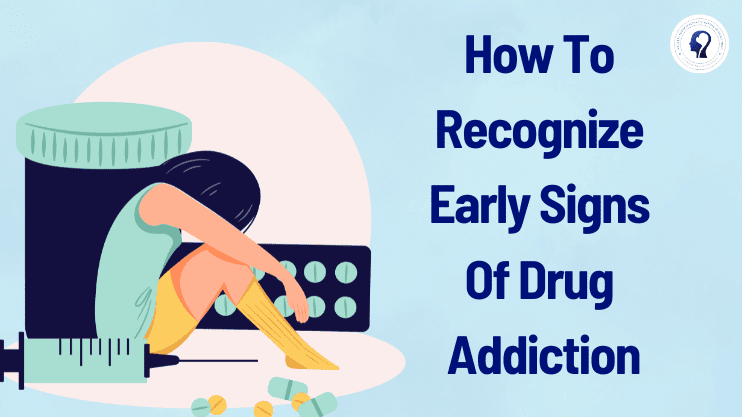
Addiction rarely begins with obvious warning signs. In most cases, it develops gradually, blending into everyday life long before it becomes visible to others. Because early changes can look like stress, burnout, or normal life transitions, addiction often goes unnoticed until it causes serious consequences. Recognizing early addiction signs is critical. The sooner changes are…
Read MoreWhy Addiction Rates Keep Rising Across the U.S.

Addiction rates in the United States continue to rise despite increased awareness, expanded treatment options, and public health initiatives. This trend raises difficult questions for individuals, families, and communities trying to understand why substance use disorders are becoming more common rather than less. The reasons are not simple or singular. Rising addiction rates reflect a…
Read More