
Posts Tagged ‘recovery education’
How Loneliness Can Deepen Addiction Struggles

Human connection is one of the most important parts of emotional well-being. When people feel disconnected from others, loneliness can quickly take hold. For individuals struggling with substance use, loneliness can become a powerful factor that worsens addiction. Understanding the relationship between addiction and loneliness helps explain why social isolation often makes recovery more difficult…
Read MoreWhy Boredom Can Become Dangerous During Addiction

Boredom may seem like a harmless emotion, but for people struggling with substance use, it can become a powerful trigger. Many individuals underestimate the connection between addiction and boredom, yet a lack of purpose, stimulation, or meaningful activity can increase the risk of substance use and relapse. Addiction often develops alongside lifestyle patterns that revolve…
Read MoreHow Secrecy Becomes a Pattern During Addiction

Addiction rarely develops in the open. In many cases, secrecy slowly becomes part of daily life for someone struggling with substance use. Over time, hiding behaviors, covering up mistakes, and avoiding difficult conversations can become routine. This pattern is often described as addiction secrecy behavior, and it plays a major role in how addiction progresses.…
Read MoreWhy Relapse Happens Even When Someone Wants to Stay Sober

Relapse is one of the most misunderstood parts of addiction recovery. Many people assume that if someone truly wants to stay sober, they will simply avoid drugs or alcohol. But recovery is far more complicated than willpower alone. This misunderstanding is why so many families ask the same question: why addicts relapse even when they…
Read MoreWhy People With Addiction Often Lie to Those Around Them

Addiction doesn’t just affect the person using substances. It also changes how they communicate with the people around them. One of the most painful behaviors loved ones experience is dishonesty. Many families eventually ask the same question: why addicts lie even when the truth seems easier. Understanding the reasons behind this behavior can help families…
Read MoreHow to Maintain Recovery for the Long Haul

Maintaining recovery for the long haul requires more than initial motivation. Early recovery focuses on stabilization and avoiding relapse. Long-term recovery focuses on sustainability, resilience, and growth through life’s inevitable stressors. Recovery is not something you complete. It is something you maintain. Understanding how to maintain long term recovery helps individuals move from fragile stability…
Read MoreCreating Healthy Routines in Early Recovery

Early recovery is often unstable—not because motivation is lacking, but because structure is missing. During active addiction, routines frequently revolve around substance access, emotional avoidance, or survival patterns. When substance use stops, a gap appears. Without intentional structure, that gap can quickly fill with boredom, stress, or impulsivity. Creating healthy routines in early recovery builds…
Read MoreHow Families Can Support Recovery Without Enabling

Family involvement can strengthen recovery—or quietly undermine it. The difference often lies in understanding the line between support and enabling. While both are usually motivated by care and concern, enabling removes accountability and shields someone from consequences, whereas support reinforces responsibility and growth. Learning how families can support recovery without enabling is critical for long-term…
Read MoreRebuilding Trust After Addiction Takes Time
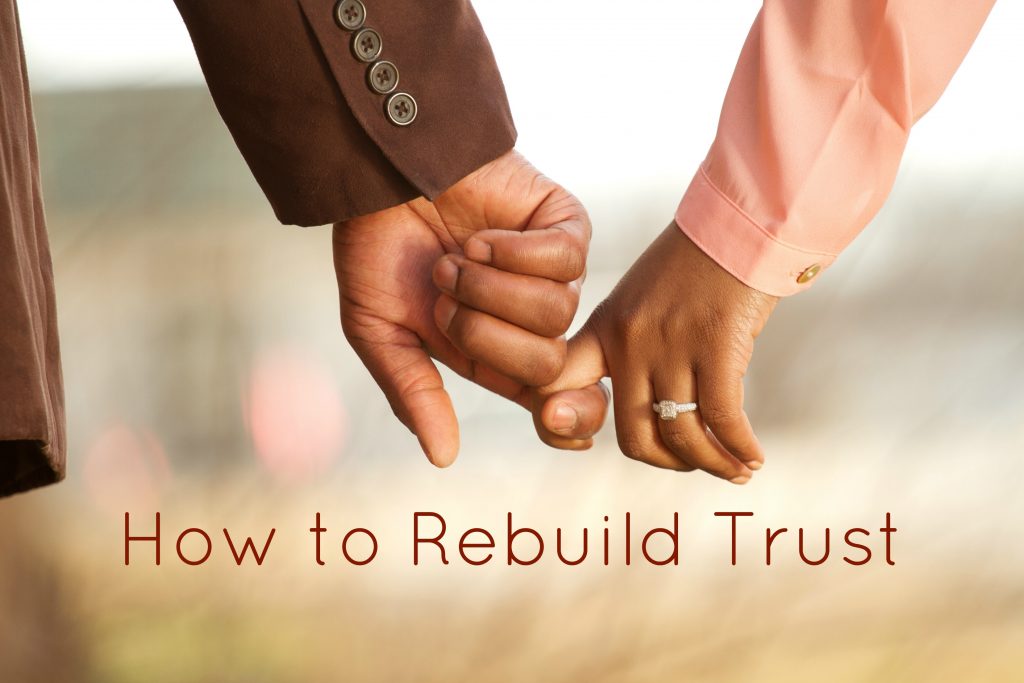
Addiction rarely damages only the individual struggling with substance use. It often strains or fractures relationships with family members, partners, friends, and colleagues. Broken promises, secrecy, financial instability, and emotional withdrawal leave lasting impact. Even after substance use stops, trust does not automatically return. Rebuilding trust after addiction takes time, consistency, and demonstrated change. Words…
Read MoreBuilding Strong Recovery Support Systems
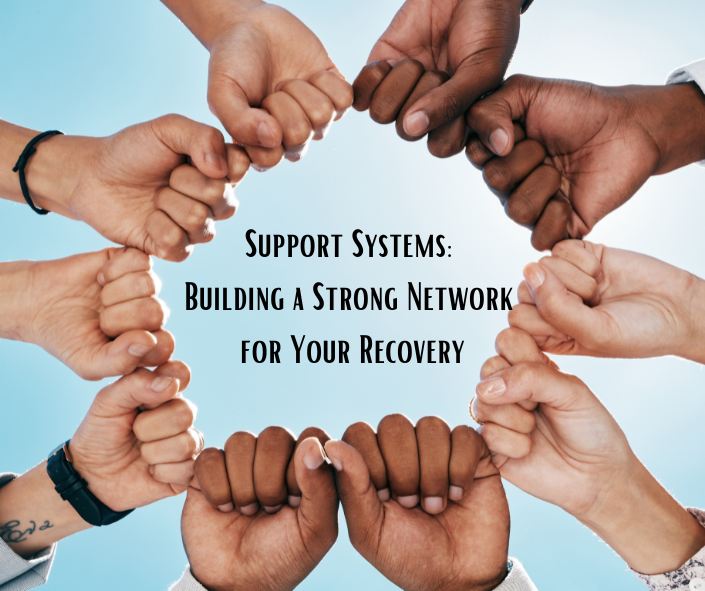
Recovery is not sustained through willpower alone. Long-term stability depends heavily on the strength of the support systems surrounding an individual. While motivation is important, connection, structure, and accountability often determine whether recovery remains steady under stress. Building strong recovery support systems reduces isolation, increases resilience, and lowers relapse risk. Recovery is more durable when…
Read More